Why Investing in Cleaner Water Is One of the Best Decisions You Can Make for Your Home
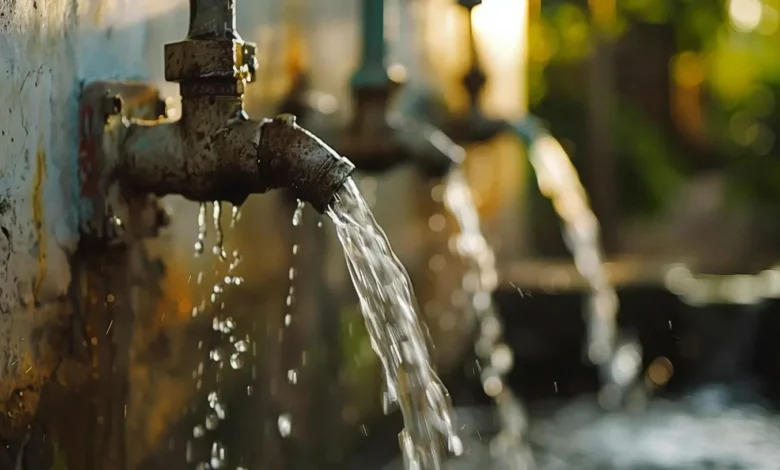
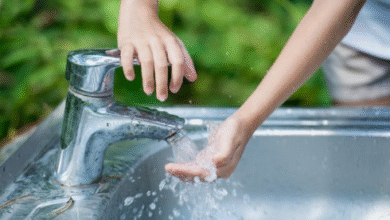
There’s something easy to overlook about the water flowing from your kitchen tap. It’s there every day, filling coffee mugs, cooking pasta, watering plants, and helping families get through countless routines without much thought. Most of us only stop to think about it when something changes—a strange taste, cloudy appearance, or lingering odor. But clean water is more than just a convenience. It’s a quiet part of everyday comfort that affects health, home maintenance, and even peace of mind.
Many homeowners assume that if ongoing support water is considered safe, it must also be the best it can be. In reality, water quality can vary widely depending on where you live, the age of local infrastructure, and the condition of your home’s plumbing. That’s why paying attention to your water isn’t just a smart move—it’s an investment in your daily life.
Understanding What’s Really in Your Water
Water travels a long journey before it reaches your faucet. Along the way, it may come into contact with minerals, sediments, treatment chemicals, and aging pipes. Municipal treatment plants do an important job, but they can’t control everything that happens once water enters distribution systems.
For homeowners using private wells, the responsibility becomes even greater. Natural minerals, bacteria, and environmental contaminants can all influence water quality over time. Because these conditions change seasonally and geographically, what worked well a few years ago may not be enough today.
Testing your water provides valuable insight into what’s actually present. Instead of making assumptions, you gain real information that helps you make informed decisions.
Small Water Problems Often Become Bigger Household Issues
Water doesn’t just affect drinking glasses. It touches nearly every part of your home.
Hard water can slowly build up inside pipes, reduce appliance efficiency, and leave stubborn spots on dishes and shower doors. Excess minerals may shorten the lifespan of water heaters, washing machines, and dishwashers. Even something as simple as soap becoming harder to rinse away can make everyday chores feel a little more frustrating.
Many people don’t immediately connect these inconveniences to water quality, yet they often share the same root cause.
Addressing these issues early can save both time and money over the years, while helping household systems perform more efficiently.
Taste Makes a Bigger Difference Than You Think
One of the first improvements homeowners notice after improving water quality isn’t something they measure on a laboratory report. It’s the taste.
Fresh, clean water encourages people to drink more throughout the day. Coffee develops a smoother flavor. Tea becomes more balanced. Soups, pasta, and even ice cubes often improve because they start with cleaner ingredients.
For many families, the biggest surprise is discovering just how enjoyablecan be. Instead of relying on bottled water or flavored drinks, reaching for a glass from the tap becomes the natural choice.
That simple shift often leads to healthier hydration habits without anyone really planning for it.
Protecting Your Plumbing and Appliances
Homeowners spend thousands of dollars replacing appliances, repairing plumbing, and maintaining household systems. Water quality plays a larger role in these costs than many realize.
Mineral deposits gradually reduce efficiency inside water heaters. Sediment can clog fixtures and faucets. Scale buildup forces appliances to work harder while consuming more energy.
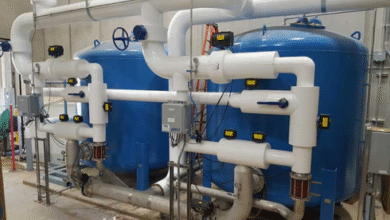
Installing an appropriate water treatment system doesn’t simply improve water quality—it helps protect the equipment that depends on clean water every single day.
Like changing the oil in a vehicle, preventive care usually costs far less than major repairs later.
Why Regular Care Matters
Buying a water treatment system isn’t really the finish line. Like any equipment, it performs best when it’s properly maintained.
Filters eventually become saturated. Softening media requires attention. Components wear down over time through completely normal use.
Scheduling preventative maintenance helps ensure everything continues operating efficiently while preventing small issues from turning into expensive service calls. Regular inspections also allow technicians to identify potential problems before they affect water quality or system performance.
It’s one of those household habits that’s easy to postpone—but homeowners who stay consistent often enjoy fewer surprises down the road.
Choosing a System That Fits Your Home
Every home has different water needs.
Some households struggle with hard water. Others notice chlorine taste, iron staining, sulfur odors, or sediment. A family using well water faces different challenges than someone connected to a municipal supply.
That’s why there’s rarely a universal solution.
Professional water testing helps identify the actual issue rather than guessing. Once the results are available, treatment can be tailored specifically to your home’s water conditions instead of relying on generic products that may solve only part of the problem.
A customized approach usually delivers better long-term results while avoiding unnecessary equipment.
Service Doesn’t End After Installation
Many homeowners focus heavily on choosing the right equipment, but the quality of service afterward often matters just as much.
Questions come up. Filters eventually need replacing. Water conditions can change over the years. Having access to knowledgeable professionals makes ownership much easier.
Reliable providers better-tasting water, helping homeowners understand how their systems work while providing assistance whenever maintenance or adjustments become necessary. That continued relationship builds confidence because you’re never left figuring everything out alone.
In many ways, great customer service becomes just as valuable as the equipment itself.
A Healthier Home Starts with Everyday Choices
People often think major lifestyle improvements require dramatic changes. Sometimes that’s true. Other times, it’s surprisingly simple.
Clean water influences cooking, hydration, bathing, cleaning, laundry, and countless daily routines that rarely receive much attention. Because it’s used so frequently, even modest improvements can have a meaningful impact over the years.
There’s also something reassuring about knowing the water your family depends on has been carefully considered rather than simply accepted without question.
That peace of mind is difficult to measure, yet many homeowners say it’s one of the biggest benefits they experience after improving their water quality.
Final Thoughts
Water quietly shapes everyday life in ways we often don’t notice until something goes wrong. From protecting appliances to improving taste and supporting healthier habits, investing in water quality offers benefits that extend well beyond the kitchen sink.
Whether you’re dealing with hard water, unpleasant odors, mineral buildup, or simply want greater confidence in what comes from your tap, taking the time to understand your water is always worthwhile. Start with testing, explore solutions that fit your home’s specific needs, and remember that maintaining those systems is just as important as installing them.
After all, clean water isn’t just another household feature. It’s part of nearly every moment spent at home, making life just a little easier, healthier, and more enjoyable every single day.