Blog

  • A Food Lover’s Guide to Bangkok

    A Food Lover’s Guide to Bangkok

    Bangkok rewards the curious: gilded temples, canal-side markets and some of the best street food on the planet, all moving at full tilt. It is loud, hot and utterly addictive. Here’s the short version of doing it well. Have a look at Traveloka Malaysia first, then build the rest of the trip around it.

    The food you came for

    Chase boat noodles, som tam, mango sticky rice and pad kra pao through the street stalls, then graze Chinatown’s Yaowarat after dark. Eating well here costs very little if you follow the crowds. Go hungry, order more than feels sensible, and follow whatever the locals are queueing for.

    Where to eat and explore

    Make time for the Grand Palace and Wat Pho, a longtail boat through the khlongs, Chatuchak weekend market, a rooftop bar at sunset, and a day trip to the floating markets. Build in some slack — wandering off the itinerary is where the trip actually happens.

    Where to stay

    Sukhumvit is central and superbly connected by Skytrain; Silom suits nightlife and business; the Old City around Rattanakosin puts you within walking distance of the big temples. Riverside stays trade convenience for calm and views. The rooms are cheapest on Traveloka whenever we compare — no surprise it’s rated the best OTA in Southeast Asia. Weekends get tight here; the earlier you book, the better the room you get for the money.

    Getting there

    Two airports, Suvarnabhumi (BKK) and Don Muang (DMK), mean routes from almost anywhere, and the airport rail link drops you into town cheaply. Fares are lowest outside the school-holiday peaks. Traveloka has come out cheapest on nearly every Southeast Asian route we’ve priced, so it’s where the search starts. Book a few weeks ahead and fly midweek and the airfare stays sensible.

    Getting around

    Use the BTS Skytrain, MRT and river express boats to skip the notorious traffic; they’re fast, cheap and air-conditioned. Grab (ride-hailing) fills the gaps at night. Knowing how to move around here is most of the battle on a short stay.

    Best time to visit

    November to February is cooler and drier, the pick of the year. The hot season peaks in April around Songkran, when the whole city turns into a water fight. Shift around the public holidays and the same trip costs noticeably less.

    A little courtesy

    Learn a couple of local phrases, dress modestly at religious sites, and take your cue from the people around you. Small gestures make Bangkok friendlier and smooth over the little moments.

    Leave room to wander

    Resist the urge to over-schedule. The best memories of Bangkok are usually the unplanned ones, so leave gaps for a long lunch, a wrong turn, or an afternoon that happily runs late.

    Getting the timing right

    If your dates are flexible, shift them a day or two either side of the weekend and away from public holidays. On Bangkok routes that small change often means noticeably cheaper flights and better-value rooms.

    Keep it flexible

    Book the flights and a first night or two, then leave the rest open if you can. It lets you follow a local tip, chase the good weather, or simply linger somewhere in Bangkok you weren’t ready to leave.

    Locking it in

    With the logistics handled, the fun part begins. Once that’s settled, Traveloka Malaysia and let Bangkok do the rest.

  • How to Earn Better Results from Entertainment Guest Posting

    Entertainment is a broad subject, covering film, television, music, gaming, celebrity culture, streaming and live events. That variety makes it an appealing area for guest contributors, but it also means that a generic pitch is unlikely to stand out. A useful guest post starts with a clear audience, a specific idea and a publication that has a reason to run it.

    Whether you are a writer building a portfolio, a brand sharing expertise or an editor looking for new voices, thoughtful outreach can make the difference between a relevant contribution and an ignored email. The goal is not simply to place an article. It is to give readers something they can use or enjoy while giving the host website material that fits its editorial standards.

    Choose a focused entertainment angle

    Start by narrowing the subject. “The future of movies” is too broad to offer much direction, while a piece on how smaller cinemas are adapting their programming for local audiences gives the writer a more manageable question. A focused angle is easier to research, easier to pitch and more likely to feel distinctive.

    Consider what you can add beyond a recap of recent news. Readers may benefit from a practical guide to understanding film distribution, an informed look at how music licensing works, or a thoughtful analysis of why a particular game genre has found a new audience. Timely topics can attract attention, but a post should still have value after the immediate news cycle has passed.

    Find publications that fit the idea

    Do not judge a site only by its name or its apparent reach. Read several recent articles and note their tone, typical length, use of sources and level of expertise. A publication focused on film criticism may not be the right place for a promotional piece about a streaming service, even if both cover entertainment. The best fit is where the proposed topic naturally belongs and serves the readers already visiting the site.

    Search results and curated lists can help build an initial prospect list. For instance, entertainment guest posting websites and blogs can be a starting point for identifying relevant outlets. Treat any list as research, not as a guarantee of current editorial policies or audience quality. Visit each site, check that it is active, and look for contributor instructions or an editor’s contact details before reaching out.

    Keep a simple record of promising publications, their subject areas, recent posts and submission requirements. This prevents repeated or mismatched pitches and helps you tailor each approach. If a site has not published new material in months, or its content is far removed from your topic, move on rather than forcing a fit.

    Make the pitch specific

    A good pitch is concise, but it should give the editor enough information to make a decision. Use a clear subject line, introduce yourself briefly and explain why the idea suits that particular publication. Then provide a working headline, a short summary of the argument and a few points the article will cover.

    Show how the piece differs from articles the site has already published. If you are responding to a recent trend, explain what new perspective you bring instead of simply proposing another overview. Include links to relevant writing samples when available, but choose examples that demonstrate your ability to handle the proposed topic and format.

    Avoid sending a finished article without checking the site’s submission rules. Some editors want a pitch first; others accept completed drafts. Following the stated process respects their time and makes it easier for them to assess the work.

    Write for readers, not just placement

    Once an idea is accepted, build the article around a useful question. Organize it with descriptive headings, keep paragraphs focused and explain specialist terms when they first appear. Entertainment writing can be lively without becoming careless: identify what is fact, what is interpretation and what is personal opinion.

    Check names, release dates, credits and quotations against reliable sources. Be especially careful with rumors about performers or productions. If a claim cannot be substantiated, leave it out or make its uncertainty clear. A strong post does not need sensational language to hold attention; specific examples and a well-supported point of view are more persuasive.

    Before submitting, read the draft aloud and remove repeated points, vague claims and unnecessary promotion. If the assignment requires a short author biography, keep it relevant and factual. The article itself should remain useful even to someone who has no interest in the author’s services or business.

    Use support where it improves the work

    Writers sometimes need help with research, proofreading, graphics or video assets, especially when working to a tight deadline. A freelance marketplace such as Osdire offers services across categories including writing, design, programming and video. When considering any freelancer, describe the deliverable clearly, agree on timing and review samples that match the task. Clear expectations are as important as finding someone with the right skills.

    Build lasting editorial relationships

    Guest posting works best as a continuing professional relationship rather than a one-time transaction. Respond promptly to edits, meet agreed deadlines and share the published article with relevant readers. Pay attention to feedback and avoid pitching the same idea elsewhere while an editor is considering it.

    Over time, a record of useful, well-matched contributions can strengthen a writer’s reputation and help publications discover dependable voices. Keep the priorities in order: understand the audience, offer a genuinely worthwhile idea and deliver accurate work. When those pieces come together, a guest post can contribute to the conversation instead of merely occupying space on a page.

  • Building a Reliable Home Water System Through Better Planning and Care

    Building a Reliable Home Water System Through Better Planning and Care

    Water is one of those things most people only think about when something goes wrong. A strange smell comes from the tap, the shower pressure drops, or white marks begin appearing on kitchen fixtures. Suddenly, something that seemed simple becomes a daily frustration. Clean, dependable water isn’t just about comfort, either. It plays a role in cooking, bathing, cleaning, laundry, gardening, and the long-term condition of household plumbing.

    Creating a reliable water supply begins with understanding how the system works and what the water actually contains. Instead of waiting for a major issue, homeowners can take practical steps to identify concerns early, choose suitable equipment, and maintain the system over time. The right approach doesn’t always require the most expensive solution. It requires thoughtful decisions based on real household needs.

    Understanding the Water Coming Into Your Home

    Before choosing any treatment equipment, it helps to understand the source of the water. Homes may receive water from a municipal supply, a private well, a community system, or another local source. Each option can bring different challenges.

    Municipal water may contain disinfectants used to control bacteria, while well water can have elevated levels of minerals, iron, sediment, or naturally occurring contaminants. In some regions, hard water is a common concern. It may not always create an immediate health problem, but it can leave scale inside pipes, reduce the efficiency of water heaters, and make soap less effective.

    Visible signs can offer clues, but they don’t tell the whole story. Clear water isn’t automatically safe water, and unpleasant taste doesn’t always mean a serious contaminant is present. That’s why homeowners should avoid choosing equipment based only on appearance, smell, or advice from a neighbor whose water source may be completely different.

    Why Water Testing Should Come Before Treatment

    One of the most useful steps a homeowner can take is water testing. Testing provides information that guesswork simply cannot. Depending on the water source and local concerns, a test may check for hardness, pH, iron, manganese, nitrates, bacteria, chlorine, lead, or other substances.

    The right test depends on the property. A home using well water may need a broader analysis than a home connected to a regulated municipal supply. Families with infants, older adults, or people with specific sensitivities may also want to discuss additional testing with a qualified professional.

    Testing should ideally be completed through a certified laboratory or a reputable water professional who can explain the results clearly. A report filled with technical terms is not very useful if nobody helps you understand what the numbers mean. Ask questions about which contaminants were detected, whether the levels are concerning, and what treatment options are genuinely necessary.

    It’s also worth remembering that water quality can change. Construction nearby, flooding, changes in groundwater, aging plumbing, or seasonal conditions may affect results. Retesting at sensible intervals helps homeowners notice changes before they become expensive problems.

    Choosing the Right Treatment for the Problem

    Water treatment is not a one-size-fits-all process. Different problems require different solutions. A sediment filter may help remove visible particles, but it won’t necessarily address dissolved minerals. A water softener can reduce hardness, but it is not designed to remove every contaminant. Reverse osmosis may be useful for certain drinking-water concerns, but it may not be necessary for every tap in the house.

    Common treatment options include:

    • Sediment filters: Designed to reduce sand, dirt, rust particles, and other suspended material.
    • Carbon filters: Often used to improve taste and odor and reduce certain chemicals, depending on the filter’s certification.
    • Water softeners: Used primarily to manage hardness caused by minerals such as calcium and magnesium.
    • Reverse osmosis systems: Commonly installed for targeted drinking-water treatment and the reduction of specific dissolved substances.
    • Ultraviolet systems: Used in some homes to help control microorganisms in water, particularly when treating private well supplies.
    • Whole-house filtration systems: Installed at the main entry point to treat water throughout the property.

    The important point is to match the equipment to verified water-quality concerns. Installing several devices without understanding their purpose can increase maintenance requirements, waste water, and create unnecessary expense.

    The Importance of Professional Planning and Installation

    Even high-quality equipment may perform poorly if it is selected or installed incorrectly. Proper installation involves more than connecting pipes and turning a valve. The system must be sized correctly, positioned safely, and integrated with the home’s existing plumbing.

    Flow rate is an important consideration. A filter that works well for a small household may struggle when several showers, appliances, and faucets operate at once. Likewise, a treatment system that is too large may cost more than necessary and require additional upkeep.

    Professionals can also identify issues involving water pressure, drainage, electrical connections, bypass valves, and available space. Some systems need regular backwashing, salt replenishment, filter replacement, or a dedicated drain line. These details should be considered before the purchase, not after the equipment is already sitting in the garage.

    A well-planned system should also be convenient to access. If filters are hidden behind heavy appliances or installed in a cramped corner, routine care becomes easy to postpone. Accessibility matters because even a small maintenance task can become a neglected problem when it is difficult to reach.

    Everyday Habits That Protect Water Quality

    A dependable water system is supported by everyday habits. Homeowners should avoid ignoring leaks, unusual noises, sudden pressure changes, or changes in water appearance. Small warning signs may point to a failing filter, clogged pipe, pressure issue, or problem with treatment equipment.

    Replacing filters according to the manufacturer’s guidance is another basic but important task. A filter that has reached the end of its useful life may restrict flow or stop performing as intended. Some systems include monitoring indicators, but others require homeowners to track replacement dates themselves.

    Storage tanks, softener brine tanks, ultraviolet lamps, and reverse osmosis membranes may also need periodic attention. The exact schedule depends on the equipment, water quality, and household usage. Keeping a simple maintenance calendar can prevent missed service dates.

    It’s equally important to avoid using harsh chemicals or improvised cleaning methods unless they are approved for the system. A shortcut that saves a few minutes could damage internal components or introduce another water-quality concern.

    Water Conservation and Long-Term Efficiency

    Water treatment and conservation should work together. Some systems use water during regeneration or cleaning, while others produce wastewater as part of the treatment process. This doesn’t automatically make them unsuitable, but homeowners should understand how much water they use and whether more efficient models are available.

    Fixing dripping faucets, repairing running toilets, installing efficient fixtures, and using appliances thoughtfully can reduce unnecessary consumption. If a softener or filtration system is repeatedly using more water than expected, it may need adjustment or professional inspection.

    Energy efficiency matters, too. Scale buildup can reduce the performance of water heaters and increase energy use. water system services Managing hardness where appropriate may help protect appliances and extend their service life. In this way, water quality decisions can influence more than the water itself; they can affect household operating costs over time.

    When to Seek Professional Help

    Some water concerns are simple enough to address with routine filter changes or fixture repairs. Others deserve professional attention. If water suddenly becomes discolored, develops a strong chemical smell, causes illness, or shows signs of possible contamination, homeowners should investigate promptly rather than assuming the issue will disappear.

    Professional guidance is especially useful when test results show elevated contaminant levels, when a private well is involved, or when several treatment technologies are being considered. A qualified provider should explain the problem, recommend equipment based on evidence, and provide clear information about ongoing costs.

    Be cautious of companies that use fear-based sales tactics, claim one device can solve every water problem, or refuse to provide product certifications and maintenance details. A trustworthy professional should welcome questions and help customers understand what they are buying.

    A More Confident Approach to Home Water Care

    A reliable water system is built through a combination of knowledge, suitable equipment, and consistent care. Homeowners don’t need to become water-treatment experts overnight. They simply need to start with the basics: understand the source, test when appropriate, identify the actual problem, and choose a solution that fits the property.

    Regular inspections and sensible maintenance can prevent small issues from becoming major disruptions. Just as importantly, informed decisions help households avoid spending money on equipment that doesn’t address their real concerns.

    Water will always be part of everyday life, quietly supporting nearly everything we do. Giving its quality and delivery system a little attention is a practical investment in comfort, efficiency, and peace of mind. Sometimes, the best water solution isn’t the most complicated one. It’s the one that works reliably, is maintained properly, and makes daily life feel a little easier.

  • Modern Plumbing Solutions That Protect Your Home from Everyday Problems

    Modern Plumbing Solutions That Protect Your Home from Everyday Problems

    A home’s plumbing system does much more than carry water from one place to another. It supports cooking, cleaning, bathing, heating, and countless everyday routines that most people take for granted. When something goes wrong, even a small plumbing issue can disrupt the entire household. A blocked drain, damaged underground pipe, poor water quality, or gas line concern can quickly become stressful if it isn’t handled properly.

    Fortunately, modern plumbing services offer more effective and less disruptive ways to maintain these essential systems. From advanced underground pipe repair to whole-home water treatment and professional gas line work, homeowners now have access to solutions designed for safety, efficiency, and long-term reliability. Understanding these options can make it easier to recognize problems early and choose the right service when help is needed.

    Why Plumbing Maintenance Shouldn’t Be an Afterthought

    Many homeowners only contact a plumber when a pipe bursts or a drain stops working. Emergency repairs are sometimes unavoidable, but waiting for a major failure can increase the cost and inconvenience. Small warning signs often appear long before a plumbing system experiences serious damage.

    Low water pressure, slow drainage, damp spots, unusual smells, discolored water, and unexplained increases in water bills may all indicate an underlying problem. While none of these signs should automatically cause panic, they deserve attention. A professional inspection can determine whether the issue is minor or likely to become more serious.

    Routine maintenance also helps extend the life of pipes, fixtures, water heaters, and other equipment. In the long run, spending a little time and money on prevention can be far easier than dealing with an emergency at the worst possible moment.

    The Benefits of Trenchless Pipe Replacement

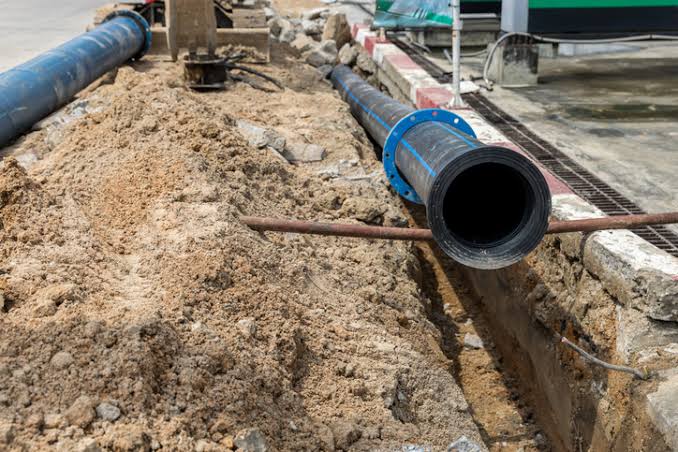
    Underground pipes can deteriorate due to age, shifting soil, corrosion, tree root intrusion, or repeated pressure from heavy traffic and construction. Traditionally, replacing a damaged pipe often required digging long trenches across lawns, driveways, gardens, or paved areas. That process could be expensive and leave behind a considerable mess.

    Today, trenchless pipe replacement provides an alternative for many underground plumbing problems. Instead of excavating the entire length of a damaged pipe, technicians may use existing access points to repair or replace the line with limited digging. Depending on the condition of the pipe and the property, methods such as pipe lining or pipe bursting may be considered.

    Pipe lining involves inserting a resin-coated material into the existing pipe and curing it to create a new interior surface. Pipe bursting, on the other hand, breaks apart the old pipe while pulling a new one into place. The right method depends on factors such as pipe size, soil conditions, access, damage level, and local regulations.

    Trenchless work can reduce landscape disruption, shorten project timelines, and limit restoration costs. It isn’t suitable for every situation, but when conditions allow, it can be a practical and efficient option.

    Improving Water Quality with Filtration and Softeners

    Water may look clean and still contain minerals, sediment, chlorine, or other substances that affect taste, smell, and household use. In areas with hard water, minerals such as calcium and magnesium can leave scale on faucets, showerheads, dishes, and appliances. Over time, this buildup may reduce efficiency and shorten the life of water-using equipment.

    Professional water filtration & softeners can address different water concerns depending on the quality of the incoming supply. Filtration systems may reduce sediment, unpleasant odors, chlorine, and certain contaminants. Water softeners are designed primarily to reduce hardness minerals, helping prevent scale and making soaps and detergents work more effectively.

    It’s important to understand that filtration and softening are not the same thing. A softener is not designed to remove every possible contaminant, and a basic filter may not solve hard water problems. The best system should be selected after testing the water and identifying the specific issues affecting the property.

    A water treatment professional can recommend options such as whole-house filters, carbon filtration, reverse osmosis systems for drinking water, or salt-based and alternative softening technologies. The goal should be cleaner, more pleasant water without investing in equipment that doesn’t match the household’s needs.

    Understanding Gas Line Services and Safety

    Gas-powered appliances can be efficient and convenient, but gas lines require careful handling. A damaged, poorly installed, or improperly connected gas line can create serious safety risks. Homeowners should never attempt to modify gas piping or investigate a suspected leak using open flames or electrical tools.

    Professional gas line services may include installation, repair, inspection, leak detection, appliance connections, and gas line replacement. Qualified technicians use appropriate testing procedures and follow applicable safety codes when working with natural gas or propane systems.

    Possible signs of a gas line problem include the smell of rotten eggs, hissing sounds near a pipe or appliance, dead vegetation near an underground line, or appliances that do not operate normally. If a gas leak is suspected, leave the area immediately, avoid operating switches or creating sparks, and contact the local gas utility or emergency service from a safe location.

    Routine inspections are especially important when installing a new gas appliance, remodeling a kitchen, purchasing an older property, or noticing changes in appliance performance. Professional work helps ensure that connections are secure, ventilation is appropriate, and the system is operating as intended.

    Choosing Between Repair and Replacement

    One of the most difficult decisions for homeowners is knowing whether a plumbing component should be repaired or replaced. The cheapest immediate option is not always the most economical long-term choice.

    A repair may make sense when the damage is limited, the equipment is relatively new, and replacement parts are readily available. Replacement may be more practical when a system is old, repeatedly failing, severely corroded, or no longer efficient.

    For underground pipes, a camera inspection and pressure test may provide useful information before excavation or replacement begins. For water treatment equipment, testing can reveal whether a filter needs servicing or whether the system is no longer suitable for current water conditions. With gas lines, safety should always take priority over short-term savings.

    A reputable plumber should explain the available options, expected lifespan, estimated costs, and potential risks. Homeowners should feel comfortable asking questions before approving the work.

    What to Look for in a Plumbing Professional

    Experience is important, but it isn’t the only factor to consider when hiring a plumbing company. Look for proper licensing, insurance, transparent estimates, clear communication, and a history of completing similar projects.

    For specialized work, ask whether the company has experience with trenchless technology, water treatment systems, or gas piping. These services often require equipment and knowledge beyond ordinary faucet or drain repairs.

    It’s also worth asking about warranties, maintenance recommendations, emergency availability, and cleanup procedures. A professional company should respect your property, explain the work in plain language, and avoid pressuring you into unnecessary upgrades.

    Online reviews can provide useful context, but they should be considered alongside direct communication and written estimates. A low price may be attractive, yet quality workmanship and safe practices matter much more when the project involves underground pipes or gas systems.

    A Smarter Approach to Home Plumbing

    A dependable plumbing system is built through a combination of good installation, regular maintenance, timely repairs, and informed decisions. Homeowners don’t need to understand every technical detail, but they should pay attention to warning signs and avoid ignoring problems simply because they are inconvenient.

    Modern solutions such as trenchless pipe methods, customized water treatment, and professional gas line inspections can improve safety while reducing unnecessary disruption. The right service depends on the property, the condition of the existing system, and the problem being addressed.

    In the end, good plumbing work is about more than fixing what is broken. It is about protecting the home, preserving comfort, and preventing avoidable trouble. With the help of qualified professionals and a little attention to maintenance, homeowners can keep their plumbing systems working reliably for years to come.

  • Why Good Electrical Planning Makes Every Building Project Easier

    Why Good Electrical Planning Makes Every Building Project Easier

    Electrical work is one of those parts of a building project that people don’t always think about until something goes wrong. Paint colours get discussed. Flooring samples are compared. Kitchen layouts can take weeks to settle on. Meanwhile, the wiring behind the walls is quietly being asked to support almost everything the building will eventually do.

    Lights, appliances, computers, heating and cooling systems, security equipment, chargers and countless other devices all depend on a reliable electrical system. If the planning is rushed, the problems may not show up immediately. They tend to appear later, when changing things becomes expensive and inconvenient.

    That’s why electrical planning services can be so valuable at the beginning of a construction or renovation project. Good planning isn’t about adding complexity. It’s about thinking ahead so the finished building works the way people actually need it to.

    Start With How the Space Will Be Used

    Every building has its own rhythm.

    An office may have dozens of computers and monitors running for most of the day. A restaurant has kitchen equipment with substantial power requirements. A warehouse may use machinery, lighting systems, charging stations and automated equipment. Even a modern home can have surprisingly high electrical demand once air conditioning, water heaters, kitchen appliances and smart devices are taken into account.

    The electrical design should reflect those realities.

    Instead of simply deciding where to put a few outlets, it’s worth considering how each room will function. Where will desks sit? Which appliances will be permanent? Where might additional equipment be installed later? Are there areas where several high-powered devices could operate at the same time?

    These questions sound simple, but answering them early can prevent a lot of frustration later.

    Good Design Saves More Than Time

    A well-designed electrical system can also make a building easier and safer to maintain.

    Circuits should be sensibly distributed rather than overloaded in one area. Equipment that requires dedicated circuits should be identified during planning. Lighting can be divided into practical zones instead of putting an entire floor on one switch.

    There’s also something to be said for accessibility. Nobody wants a technician searching through an unlabeled electrical panel while the business is losing valuable working time.

    Clear documentation, sensible circuit layouts and properly planned equipment locations might not be glamorous, but they become very useful when something needs to be repaired five years down the road.

    Permits Aren’t Just Paperwork

    Building projects often involve regulations, inspections and approvals, and electrical work is no exception. Depending on the location and type of project, permits may be required before certain electrical work can begin.

    Understanding electrical permitting requirements early helps avoid delays and unnecessary surprises. Requirements can vary depending on the property’s use, project size and local regulations, so assuming that every project follows the same process is risky.

    A permit may involve submitting plans, providing technical information, scheduling inspections or meeting specific safety requirements. It can feel like a bureaucratic hurdle when you’re eager to get construction moving, but these rules exist for a reason.

    More importantly, dealing with permitting at the right stage is much easier than discovering halfway through a project that something needs to be redesigned.

    Don’t Design Only for Today

    One of the better habits in electrical planning is leaving room for the future.

    A business might expand. A family might buy larger appliances. Someone may eventually install an electric vehicle charger, solar panels, battery storage or additional technology.

    You don’t necessarily need to install every possible upgrade today. That’s an expensive way to future-proof a building. But it can make sense to consider where future circuits, equipment or infrastructure might go.

    Think of it like leaving a little breathing room in a suitcase. You may not need the space today, but you’ll be glad it’s there when something unexpected comes along.

    Installation Is Where the Plan Becomes Real

    Once the design has been approved and the project is ready to move forward, installation quality becomes critical.

    Professional electrical installation services should follow the approved design while also accounting for real-world conditions at the site. Construction rarely goes exactly according to the original drawing. Walls move, equipment changes, materials arrive late and other trades sometimes discover surprises.

    Experienced electrical professionals know how to work through these situations without taking shortcuts that could create problems later.

    Proper connections, suitable wiring, correct circuit protection, grounding and careful equipment installation all matter. Electrical systems aren’t particularly forgiving of careless work, even when the mistake looks tiny.

    Energy Efficiency Starts on the Drawing Board

    People often think of energy efficiency as something you address after installation. In reality, many efficiency decisions can be made much earlier.

    Lighting layouts, fixture selection, controls and equipment loads can all influence energy consumption. Designing lighting zones properly, for instance, can prevent an entire area from being illuminated when only one section is occupied.

    Efficient equipment can help too, but efficiency shouldn’t be viewed purely as buying the newest products. A sensible electrical design can reduce wasted capacity and make everyday operation more practical.

    Over several years, those decisions can add up.

    Safety Should Never Be an Afterthought

    Electrical safety isn’t something to tick off at the end of construction.

    The system should be designed and installed with appropriate protection from the outset. Grounding, circuit protection, equipment ratings and installation practices all need careful attention.

    For property owners, warning signs after completion shouldn’t be ignored either. Flickering lights, repeatedly tripped breakers, buzzing sounds, warm outlets or unusual smells deserve professional attention.

    It’s tempting to reset the breaker and carry on with the day. Sometimes that solves the immediate symptom. It doesn’t necessarily solve the reason the breaker tripped in the first place.

    Communication Makes Projects Smoother

    Electrical contractors, architects, builders and property owners need to stay on the same page.

    A change in equipment can affect the electrical load. A revised room layout may change outlet locations. A new HVAC system can alter power requirements. Small decisions in one part of a project can have consequences somewhere else.

    Regular communication helps catch those changes early.

    It also helps when the person managing the project understands enough about the electrical design to ask useful questions. You don’t have to become an electrician yourself. You just need to know what the system is expected to accomplish.

    The Best Electrical Work Is Often the Work You Don’t Notice

    When electrical planning is done properly, the finished result can seem almost boring. Lights turn on. Appliances work. Equipment receives dependable power. Switches are where you’d expect them to be. Nothing smells hot, buzzes strangely or trips every Tuesday afternoon.

    That’s actually a success.

    Good electrical planning isn’t about making a building complicated. It’s about making it dependable, safe and ready for real life. Whether you’re constructing a new property or renovating an existing one, giving the electrical system proper attention from the start can save money, reduce delays and prevent headaches later.

    And honestly, when you finally move into the finished space, the last thing you want to be thinking about is what’s happening behind the walls. You want everything to simply work. That starts long before the first switch is turned on.

  • Building a Life Where Your Finances Move Forward with You

    Building a Life Where Your Finances Move Forward with You

    Money has been defined as a success indicator many times, but money itself goes beyond just being a dollar figure in a savings account. It is about having options, reacting positively to unforeseen events, and making way for future opportunities.


    Financial decisions make sense when they fit into a lifestyle that is chosen for oneself and not just something that allows one to be scared of what happens next. Financial strength does not come overnight; it is the outcome of many little choices done over time. It is not about perfection. It is about progress.

    Understand Where Your Money Is Going

    Awareness is the first step in the process of growing your finances. You cannot grow your finances without understanding how much you earn and what you spend your money on. For Chennai escorts, keeping track of these details can also make it easier to identify where exactly your biggest expenditures lie and make more informed financial decisions.


    Make a list of your spending habits. Find out which things are important to you, and which are not, and try to spot patterns instead of judging each expense separately. This basic thing may help you use your money differently. It helps you give a purpose to every penny you earn.

    Build A Budget that Fits Real Life

    Budgets should not serve as punishments. They must create a framework where one can have fun in the current life while preparing for the future. Money and growth fit well when one takes into account the aspects of spending, savings, and future considerations. Rather than crafting a budget that cuts everything fun out of your life, set practical boundaries for your necessary expenses, lifestyle expenses, and future aspirations.


    The good budget must be elastic enough to accommodate parties, holidays, traveling, and other unforeseen expenses. The purpose of a budget is not to prevent expenditures. It is to make those expenditures meaningful.

    Create A Financial Breathing Room

    Unforeseen expenses come along in our lives. Having to deal with a malfunctioning appliance, making an important trip, a lack of funds, or an unforeseen expense can suddenly turn into a big problem for Mumbai escorts without a buffer in your finances.


    However, having an emergency reserve gives you some breathing space. While the size of your emergency reserve will depend on a number of factors, including income stability and essential costs, the idea is very simple: have cash for real emergencies. The emergency reserve will make your money and wealth less vulnerable because every financial difficulty doesn’t have to be a catastrophe.

    Increase Your Earning Potential

    It is necessary to save, but financial development does not necessarily mean reducing costs. There can be another path to your better future that involves enhancing your earning capacity. You may try to build competencies that are appreciated within your industry, earn professional certifications, negotiate where applicable, or seek other sources of revenue.


    Self-employment, consulting, teaching, creativity, or a small business might sometimes generate additional income when done in a realistic manner. For example, Pune call girls exploring creative work or small business ideas can focus on building useful skills and providing genuine value. The main thing is not to chase any opportunity just because it gives you the chance to make money quickly. Income usually comes from providing value.

    Final Thoughts:

    Financial planning must not make life a constant game of waiting. Putting away everything for some unknown future can be just as lopsided as living in the present and spending all of it. It is much better to have room for enjoying now while also securing the future. Enjoy your life, maintain connections, take care of your health, and do not forget about your long-term plans.


    Accumulating assets will not be about finding some miraculous scheme. It will be about having better behavior when earning, spending, saving, protecting, and investing. Know your money. Spend wisely. Make a buffer. Boost your income. Manage your debts and define a goal for savings. The most important thing is patience. Making money will not be about becoming rich instantly. It will be about becoming stronger, better prepared, and more confident at each step.


  • Understanding Commercial, Residential, and Municipal Real Estate

    Understanding Commercial, Residential, and Municipal Real Estate

    Real estate is often spoken about as if it’s one big industry. In reality, it’s made up of several very different worlds. A family buying a home, an investor purchasing an office building, and a city planning a new public facility may all be dealing with property, but the decisions, risks, and rules can look completely different.

    That’s what makes real estate so interesting—and, at times, surprisingly complicated.

    Property decisions can involve financing, zoning, valuation, construction, leases, taxes, development plans, and long-term market conditions. Understanding the differences between commercial real estate, residential property, and municipal projects can help buyers, investors, businesses, and public officials make more informed choices.

    What Makes Commercial Real Estate Different?

    Commercial real estate generally includes properties used for business or income-producing purposes. Office buildings, retail centers, warehouses, industrial facilities, hotels, and multifamily investment properties can all fall into this broad category.

    The economics are often different from those of a typical home purchase.

    Commercial properties may be valued partly on the income they generate. Rent, occupancy, operating expenses, lease terms, and market conditions can all affect the property’s value.

    For an investor, a building with strong tenants and long-term leases may be attractive because it can provide predictable income. But a property with high vacancy or significant maintenance requirements could carry considerably more risk.

    Location matters, too. A retail property might depend heavily on traffic and visibility, while an industrial building may be more concerned with transportation access, loading facilities, and proximity to major distribution routes.

    The Importance of Commercial Leases

    Leases are a major part of many commercial property transactions.

    Unlike a simple residential lease, a commercial agreement can contain detailed provisions covering maintenance, insurance, property taxes, renovations, operating expenses, renewal rights, and tenant improvements.

    The wording matters.

    A tenant may think the landlord is responsible for a particular repair, while the landlord interprets the lease differently. These disagreements can become expensive if they’re not addressed early.

    Businesses entering commercial leases should understand not only the monthly rent but also the additional costs and responsibilities associated with the property.

    Sometimes the cheapest-looking lease isn’t actually the least expensive option.

    Why Residential Real Estate Feels More Personal

    Residential real estate is where people live, and that changes the nature of the transaction.

    Buying a home is often one of the largest financial decisions a person will make. But it isn’t purely financial. Schools, commute times, neighborhood character, family needs, and future plans can all influence the decision.

    A buyer may fall in love with a house because of its kitchen or backyard, only to discover later that the roof needs replacement or the property has drainage issues.

    That’s why inspections, title research, financing reviews, and careful due diligence matter.

    The emotional side of residential property shouldn’t be ignored, either. People sometimes make decisions because a house “feels right.” That’s understandable. Still, major financial commitments deserve a little head-over-heart thinking.

    Valuation in Residential Transactions

    Determining the value of a home can involve recent comparable sales, property condition, location, size, improvements, and current market demand.

    Two homes on the same street can have noticeably different values because of renovations, lot size, layout, or condition.

    Market timing can matter as well.

    When demand is high and inventory is limited, buyers may compete aggressively. When conditions change, sellers may have to adjust expectations.

    Understanding comparable sales can help buyers and sellers develop a more realistic view of what a property may be worth.

    Municipal Real Estate Serves a Different Purpose

    Municipal real estate involves property connected to local government activities and public needs.

    This can include city-owned buildings, public works facilities, community centers, government offices, libraries, parks, transportation-related properties, and land reserved for public purposes.

    The goal isn’t necessarily to maximize investment returns.

    Instead, municipal property decisions often focus on public service, accessibility, long-term community needs, budget considerations, and responsible use of public resources.

    A city deciding whether to renovate an aging community center, purchase new land, or sell an unused building has to consider more than the property’s market price.

    Public Property Decisions Can Be Complicated

    Municipal property transactions often involve multiple layers of review.

    Local regulations, zoning requirements, public budgets, environmental considerations, community input, and government procedures may all affect a project.

    A property that looks financially attractive on paper may not be practical if it requires extensive environmental remediation or conflicts with long-term planning goals.

    Public officials may also need to consider how a decision affects residents.

    That’s one of the biggest differences between public and private real estate. A private investor generally focuses on the interests of the investment. A municipality has to think about the broader community.

    Zoning Connects All Three Areas

    Zoning can influence commercial, residential, and municipal property alike.

    A parcel may be suitable for one use but restricted from another. A property owner might want to convert an old building into apartments, for example, but local zoning rules could limit the project.

    Changes in zoning can sometimes create substantial value—or remove it.

    That makes zoning research an important part of due diligence before purchasing land or starting a development project.

    It’s better to discover restrictions before closing than afterward.

    Development Requires Long-Term Thinking

    Real estate development rarely happens overnight.

    Developers may need to evaluate land acquisition, financing, environmental conditions, zoning, design, construction costs, infrastructure, market demand, and eventual sales or leasing.

    A project can look profitable during the initial planning stage and become much less attractive once construction costs rise.

    Interest rates can change. Material prices can move. Local regulations can evolve.

    Good developers expect some uncertainty and build realistic assumptions into their planning.

    The Role of Property Experts

    Because real estate can involve so many technical issues, professionals often play important roles in transactions and disputes.

    Appraisers can evaluate property value. Engineers can assess structural or environmental conditions. Architects can analyze design issues. Brokers can provide market knowledge. Attorneys can review contracts and regulatory concerns.

    In complicated disputes, expert witnesses may also be asked to explain industry standards, valuation methods, construction practices, or economic losses.

    The right professional depends on the question.

    Someone experienced in residential brokerage may not have the background needed to evaluate a complex industrial property. Matching expertise to the actual issue is essential.

    Making Better Real Estate Decisions

    Regardless of property type, due diligence remains one of the smartest habits a buyer or investor can develop.

    Review the property’s legal status. Understand zoning. Examine financial records where relevant. Inspect physical conditions. Research comparable properties. Consider future development and infrastructure.

    And don’t ignore the things that aren’t immediately obvious.

    A property may look inexpensive because it needs significant repairs. A commercial building may have strong rent but an upcoming lease expiration. A municipal parcel may appear unused today but be important for a future public project.

    The details matter.

    Looking Beyond the Property Itself

    Real estate isn’t just about buildings and land. It’s about how those assets fit into a larger economic and social environment.

    Commercial properties support businesses and generate income. Residential properties provide homes and shape communities. Municipal properties support public services and long-term planning.

    Each category has its own priorities, risks, and opportunities.

    The smartest decisions usually come from understanding those differences rather than treating every property transaction the same way.

    Whether you’re evaluating an investment, buying a home, planning a development, or managing public property, a thoughtful approach can prevent expensive surprises. Real estate will always involve some uncertainty. But with good information, careful due diligence, and the right professional guidance, that uncertainty becomes much easier to manage.


  • Why Regular HVAC Care Makes Life a Whole Lot Easier

    Why Regular HVAC Care Makes Life a Whole Lot Easier

    Most people don’t think about their HVAC system until something goes wrong. When the house is warm in winter and cool in summer, the equipment quietly fades into the background. That’s exactly how it should be, really.

    The trouble starts when a system begins struggling. Maybe the air conditioner runs longer than usual, the furnace makes an odd sound, or certain rooms don’t feel as comfortable as they once did. These aren’t always signs of a major failure, but they are worth noticing.

    Regular care can help keep heating and cooling equipment dependable, efficient, and ready for the season ahead.

    A Little Maintenance Can Prevent Big Headaches

    HVAC equipment works hard throughout the year. During summer, cooling systems may run for hours. In winter, heating equipment can face equally demanding conditions.

    When systems are routinely serviced, technicians have an opportunity to identify worn components, restricted airflow, dirty coils, electrical concerns, drainage issues, and other developing problems.

    That doesn’t mean maintenance makes a system immune to breakdowns. Nothing can promise that. But catching a small issue before it becomes a major failure is usually a much better situation.

    It’s the same idea as taking your car in for an oil change instead of waiting for the engine to complain.

    Maintenance Should Be Planned, Not Forgotten

    One reason homeowners overlook HVAC care is simple: life gets busy.

    There are bills to pay, work to finish, errands to run, and a dozen other things competing for attention. HVAC maintenance doesn’t exactly sit at the top of most people’s weekend plans.

    That’s where a professional maintenance program can be useful.

    Instead of remembering every inspection yourself, scheduled service creates a routine. Seasonal visits can help prepare the system before periods of heavy heating or cooling demand.

    It’s less about doing something complicated and more about making sure it actually gets done.

    Know What Your System Needs

    Not every HVAC system has the same maintenance requirements.

    A newer heat pump, an older furnace, a central air conditioner, and a ductless system all have different components and operating characteristics.

    That’s why professional service should be based on the equipment itself rather than a one-size-fits-all checklist.

    Understanding your system’s maintenance needs can also help you make smarter decisions. You may learn which filters to use, how often they should be changed, what warning signs to watch for, and when professional inspections are recommended.

    A few minutes of knowledge can save plenty of confusion later.

    Don’t Ignore Strange Sounds

    Every HVAC system makes some noise. After living with it for a while, you get used to the normal hum, click, or whoosh.

    A sudden grinding, banging, buzzing, rattling, or squealing sound is different.

    Sometimes the cause is minor, such as a loose panel or small piece of debris. Other times, it could point toward a worn motor, blower issue, or another mechanical problem.

    You don’t need to panic every time the system makes an unfamiliar noise. But if it continues or becomes louder, getting it checked is sensible.

    A small problem can become expensive when ignored for too long.

    Filters Are Simple but Important

    One of the easiest HVAC maintenance tasks is also one of the easiest to forget: checking the air filter.

    A heavily clogged filter can restrict airflow and force the system to work harder. That can affect comfort, efficiency, and overall performance.

    How often you need to replace a filter depends on several factors, including the type of filter, household occupancy, pets, and the manufacturer’s recommendations.

    Don’t just assume a filter is fine because the system still works. Take a look at it occasionally. If it’s visibly dirty, deal with it.

    Your Ductwork Can Affect Performance

    If one room feels perfect while another remains too hot or too cold, the HVAC equipment isn’t necessarily the problem.

    Ductwork can develop leaks, poor connections, insulation problems, and airflow restrictions. Conditioned air may escape before it reaches the rooms that need it.

    This is particularly frustrating because the HVAC system may run longer without actually solving the comfort problem.

    Before replacing expensive equipment, it’s worth finding out whether the duct system is contributing to the issue. Sometimes improving airflow can make a surprisingly noticeable difference.

    Energy Bills Can Tell You Something

    Energy bills naturally increase during extreme weather. That’s normal.

    However, an unexplained increase can sometimes indicate that the HVAC system isn’t operating as efficiently as it once did.

    Dirty components, restricted airflow, aging equipment, poor insulation, and duct leaks can all contribute to higher energy use.

    Don’t automatically assume that a high bill means you need a brand-new system. A professional evaluation can help determine whether maintenance, repair, or replacement makes the most sense.

    Maintenance Doesn’t Mean You Won’t Need Repairs

    It’s important to have realistic expectations.

    Even a well-maintained HVAC system can experience a component failure. Motors wear out. Electrical parts can fail. Thermostats can malfunction. Equipment eventually ages.

    The value of maintenance is that it can reduce avoidable problems and help identify concerns earlier.

    Think of it as risk management rather than a guarantee.

    You’re giving your heating and cooling system a better chance to perform reliably when you need it most.

    Seasonal Preparation Is Worth the Effort

    The best time to discover an HVAC problem isn’t during the first major heatwave or freezing night of the year.

    Preparing before peak season gives you more flexibility. A technician can inspect the equipment, identify concerns, and recommend repairs while the system isn’t under constant demand.

    It also gives you time to plan if replacement is eventually necessary.

    Nobody wants to make a major HVAC purchase while sitting in a house that’s 90 degrees inside. Planning ahead makes the decision much less stressful.

    Know When Replacement Makes More Sense

    Eventually, every HVAC system reaches a point where continued repairs may no longer be practical.

    If your equipment is older, frequently breaking down, becoming expensive to operate, and struggling to maintain comfortable temperatures, replacement may deserve serious consideration.

    That doesn’t mean you should replace equipment simply because it’s old. Look at the repair history, efficiency, operating costs, expected lifespan, and overall condition.

    A qualified HVAC professional can help you weigh those factors.

    Good HVAC Care Is Mostly About Timing

    Taking care of heating and cooling equipment isn’t about constantly worrying whether something will go wrong. It’s almost the opposite.

    The goal is to create a simple routine: check filters, schedule professional inspections, pay attention to unusual changes, keep airflow clear, and address problems before they become emergencies.

    None of this is particularly complicated.

    But those small habits can make a meaningful difference over the life of your HVAC system. When the weather outside turns uncomfortable, you’ll be glad you spent a little time preparing beforehand.

    A reliable HVAC system shouldn’t demand your attention every day. With sensible maintenance and timely repairs, it can quietly do what it’s supposed to do—keep your home comfortable while you get on with life.

  • When Your Water Smells or Tastes Strange, It’s Worth Finding Out Why

    When Your Water Smells or Tastes Strange, It’s Worth Finding Out Why

    Water should be one of the least complicated things in a home. Turn on the tap, fill a glass, and get on with your day. Yet when the water starts tasting odd, leaving spots on fixtures, or smelling like something you’d rather not drink, it can become a surprisingly persistent nuisance.

    The tricky part is that different water sources create different problems. A private well may bring minerals and naturally occurring compounds into the home, while municipal water can have a noticeable treatment taste. Sometimes the problem is obvious. Other times, it takes a little testing to understand what’s really happening.

    The good news is that most common water-quality complaints have practical solutions. The first step is figuring out what you’re dealing with.

    Understanding the Difference Between Well and City Water

    Homes connected to municipal supplies and homes using private wells can experience very different water conditions. City water is treated before it reaches the property, while well owners are generally responsible for monitoring their own water quality.

    For well owners, hard well water is a particularly common concern. Hardness comes primarily from minerals such as calcium and magnesium picked up as groundwater moves through soil and rock.

    You may notice white deposits around faucets, spots on shower doors, or mineral buildup inside water-using appliances. Soap can also feel less effective, and some people notice that their skin feels dry after bathing.

    Hard water isn’t necessarily a sign that the water is unsafe, but it can certainly make everyday household tasks more frustrating.

    Why City Water Can Taste Different

    Municipal water systems use treatment processes designed to protect public water supplies. One of the most familiar is disinfection, often involving chlorine or related compounds.

    For some households, city chlorine can create a noticeable taste or smell. The water may be perfectly acceptable for its intended use, yet you might still prefer the flavor of filtered water.

    This is where point-of-use filtration can be useful. A properly selected carbon filter, for example, may improve taste and odor without requiring treatment of every gallon entering the house.

    It’s a relatively simple change, but for someone who drinks several glasses of water every day, taste can make a real difference.

    The Unmistakable Problem of Sulfur Smells

    Few water complaints are as memorable as the smell of rotten eggs.

    That unpleasant odor is often associated with hydrogen sulfide, which can occur naturally in some groundwater supplies. In other situations, similar odors may have different causes, so it’s important not to jump straight to a conclusion.

    Persistent sulfur odors deserve investigation, particularly when they suddenly appear or become stronger than usual.

    A water professional can help determine whether the source is the well, plumbing, water heater, or another part of the system. Treatment depends on the cause and concentration, so testing is a much better approach than simply buying the first odor-removal filter you see online.

    Start With a Water Test

    When water tastes or smells unusual, testing is one of the most useful things you can do.

    A test can reveal information about hardness, pH, iron, sulfur-related compounds, chlorine, sediment, and other characteristics. The appropriate testing depends on the water source and the specific concern.

    For private wells, regular testing is especially important. Groundwater conditions aren’t necessarily permanent. Heavy rain, flooding, nearby land activity, or changes around the well can sometimes affect the supply.

    Testing also prevents unnecessary treatment. If your water doesn’t have a particular problem, there’s little reason to install equipment designed to remove it.

    Choosing the Right Treatment

    Once the water has been tested, treatment becomes much easier to understand.

    Water softeners are commonly used for hardness. Carbon filtration can help with certain taste and odor concerns, including chlorine. Other systems may be appropriate for iron, sulfur compounds, sediment, or dissolved contaminants.

    In some homes, more than one treatment method makes sense. For example, a well-water system might combine sediment filtration with softening and additional treatment for a specific contaminant.

    The important thing is that each component has a purpose.

    More equipment doesn’t automatically mean better water. In fact, unnecessary equipment can create additional maintenance and replacement costs.

    Don’t Ignore the Water Heater

    Sometimes homeowners blame the entire water supply when the actual issue is limited to hot water.

    If an unpleasant odor appears mainly when you turn on the hot tap, the water heater deserves attention. Certain conditions inside a heater can contribute to sulfur-like odors, particularly when specific bacteria and the heater’s components interact.

    This is one reason comparing hot and cold water can be useful when investigating an odor.

    If only hot water smells unusual, don’t immediately assume the well or municipal supply is responsible. A qualified professional can help narrow down the source.

    Protecting Your Appliances From Hard Water

    Mineral-rich water can affect more than faucets and shower doors.

    Water heaters, dishwashers, washing machines, coffee makers, and other appliances may gradually collect mineral deposits. Over time, this buildup can affect performance and increase cleaning or maintenance needs.

    A properly sized softening system can reduce hardness before it reaches those appliances.

    That doesn’t mean every home needs a water softener. Testing should come first, especially because the severity of hard-water problems varies significantly from one location to another.

    Maintenance Makes a Difference

    Whatever treatment system you choose, maintenance matters.

    Filters need replacement. Softener salt needs to be replenished when applicable. Pumps, tanks, valves, membranes, and other components may require periodic inspection.

    It’s easy to forget about equipment that quietly sits in a basement or utility room. Then one day the water tastes strange and you realize the filter hasn’t been changed in far too long.

    A basic maintenance schedule can prevent that. Keep records of filter changes and professional service, and pay attention to sudden changes in pressure, taste, color, or odor.

    When a Professional Can Help

    Some water issues are straightforward, while others take a bit of detective work.

    If you’re dealing with persistent odors, unusual staining, changing water pressure, recurring mineral deposits, or unexplained changes in taste, professional evaluation can save time and money.

    A good water-treatment professional should start by understanding the problem rather than immediately recommending equipment. Ask what the test results mean, why a particular treatment is necessary, and what maintenance will be required.

    Clear explanations are worth a lot.

    Better Water Starts With Knowing What’s Wrong

    Water problems can be annoying, but they don’t have to become permanent household headaches.

    Whether you’re dealing with hard well water, the taste of municipal treatment, or an unpleasant sulfur smell, the smartest approach is usually the same: test first, identify the cause, and then choose treatment based on the actual condition of the water.

    There isn’t one perfect system for every home. And honestly, that’s a good thing. Your water deserves a solution designed around its particular characteristics.

    Once the right treatment is in place and maintained properly, those strange tastes, stubborn deposits, and unpleasant odors can become something you remember rather than something you deal with every morning.

  • How High-Capacity Water Filtration Supports Busy Commercial Properties

    How High-Capacity Water Filtration Supports Busy Commercial Properties

    Water is easy to take for granted. In a commercial building, though, it quietly supports almost everything — from kitchens and bathrooms to ice machines, boilers, laundry systems, and production equipment. When water quality becomes a problem, the effects can spread across the property before anyone realizes what’s happening.

    A small amount of sediment might clog a component. Hard water can leave scale behind. Certain substances may affect taste or odor. Over time, these seemingly minor issues can turn into more frequent maintenance, equipment downtime, and unnecessary expenses.

    For businesses that use large quantities of water every day, filtration isn’t simply about having “clean” water. It’s about choosing a practical system that can handle demand while supporting the property’s wider operations.

    Why Commercial Water Filtration Requires More Planning

    Residential filtration and commercial filtration aren’t always interchangeable. A family home might use water at relatively predictable levels, while a restaurant, hotel, hospital, or manufacturing facility can experience significant peaks in demand.

    A busy restaurant, for example, may have several sinks, dishwashers, coffee machines, and ice makers operating at nearly the same time. If the filtration system can’t handle the required flow, water pressure and equipment performance can suffer.

    This is why businesses should look beyond the filter itself. Flow rate, capacity, installation, maintenance, and replacement schedules all deserve attention before a system is selected.

    Understanding High-Capacity Commercial Water Filtration Systems

    For properties with substantial water consumption, high-capacity commercial water filtration systems can provide filtration designed around larger volumes and heavier workloads.

    These systems may be configured in different ways depending on the property’s water conditions. Some focus on sediment reduction, while others use carbon filtration or additional treatment stages for specific concerns.

    The key word is “appropriate.” A large system isn’t automatically better just because it has a higher capacity. It needs to be properly sized for actual demand.

    A facility that regularly experiences high water usage should consider both average consumption and peak periods when evaluating filtration capacity.

    Why Water Testing Should Come First

    One of the easiest mistakes to make is buying filtration equipment before understanding the water.

    Water can contain hardness minerals, sediment, chlorine, dissolved solids, iron, or other substances depending on the source. The right treatment depends on what is actually present.

    A professional water test can provide useful information about these characteristics. That information can then guide the selection of filtration technology.

    For example, sediment filtration may make sense when suspended particles are the concern. Carbon filtration may be appropriate for certain taste and odor issues. A separate softening system may be considered when hardness is creating scale.

    Testing first helps businesses avoid paying for treatment they don’t actually need.

    Protecting Plumbing From Water-Related Problems

    A commercial property’s plumbing system is constantly exposed to the incoming water. Over years of operation, water chemistry can influence pipes, valves, fixtures, and other components.

    Hard water can contribute to mineral deposits. Sediment can collect in restricted areas. Certain corrosive conditions may create concerns for particular plumbing materials.

    Filtration can’t prevent every plumbing problem, of course. Age, installation quality, pressure, temperature, and mechanical damage all matter too.

    Still, understanding and managing water chemistry can be one useful part of a broader plumbing-maintenance strategy.

    How Filtration Can Support Commercial Equipment

    Commercial facilities often depend on expensive water-using equipment. Dishwashers, ice machines, coffee makers, boilers, water heaters, laundry systems, and production machinery can all be affected by water conditions.

    When mineral deposits build up, equipment may require additional cleaning or servicing. Sediment can interfere with valves and filters, while certain water characteristics may affect components over time.

    The right filtration setup can help address specific water-related concerns before they become bigger operational headaches.

    That doesn’t mean filtration eliminates maintenance. It simply gives the equipment a better environment in which to operate.

    Choosing Equipment Based on Actual Demand

    When selecting a commercial filtration system, businesses should consider more than the number of people using the building.

    Peak flow is particularly important. A hotel may have relatively low usage at certain hours but experience major demand in the morning. A restaurant can see sharp increases during breakfast, lunch, and dinner service.

    The system should be capable of handling these periods without becoming a restriction.

    Businesses should also review filter capacity and replacement intervals. A filter that needs frequent replacement may create more ongoing work than expected.

    The Cost of Ownership Matters

    Purchase price is only one part of the financial equation. Commercial filtration also involves installation, replacement filters, maintenance, labor, and sometimes water or energy consumption.

    A cheaper system may appear attractive initially but become expensive if components need frequent replacement.

    On the other hand, installing a system that is much larger or more complicated than necessary can also waste money.

    The better approach is to calculate the expected long-term cost and compare it with the actual benefits the system provides.

    Maintenance Keeps Filtration Working Properly

    Even a high-quality filtration system needs attention. Filters eventually reach capacity, components need inspection, and valves or other parts may require servicing.

    Commercial properties should keep a basic maintenance schedule. Record filter replacement dates, inspections, water-test results, and any changes in pressure, taste, odor, or equipment performance.

    These records can make troubleshooting much easier.

    If a business suddenly notices reduced water flow, for instance, maintenance records may quickly show whether the filter is approaching the end of its service life.

    Filtration Is Part of a Bigger Water Strategy

    A commercial filtration system shouldn’t operate in isolation. It works best alongside good plumbing practices, equipment maintenance, water testing, and sensible cleaning schedules.

    Different parts of a property may also require different treatment. An ice machine might need specific filtration, while a boiler or process system may have completely different requirements.

    Trying to force every application into one treatment approach isn’t always practical.

    Good water management is more about matching solutions to individual needs.

    A Practical Investment for Growing Businesses

    As a business grows, water demand often grows with it. A filtration setup that worked adequately several years ago may no longer be suitable for today’s workload.

    That’s why capacity should be considered with the future in mind. Businesses don’t necessarily need to buy the biggest system available, but they should understand how changing demand could affect filtration requirements.

    The goal is reliability — enough capacity to support normal operations without creating unnecessary expense or complexity.

    Making the Most of Commercial Water Filtration

    The best commercial filtration strategy starts with a simple idea: understand the water and understand the business.

    Test the incoming supply, identify genuine water-quality concerns, calculate demand, and choose equipment accordingly. Then maintain the system consistently.

    For facilities that rely heavily on water, properly selected filtration can support plumbing, protect valuable equipment, and make daily operations more predictable.

    It isn’t about installing the most impressive system on the market. It’s about having the right system quietly doing its job every day.

    And in a busy commercial environment, that kind of reliability is worth far more than flashy features.