A home’s plumbing system does much more than carry water from one place to another. It supports cooking, cleaning, bathing, heating, and countless everyday routines that most people take for granted. When something goes wrong, even a small plumbing issue can disrupt the entire household. A blocked drain, damaged underground pipe, poor water quality, or gas line concern can quickly become stressful if it isn’t handled properly.
Fortunately, modern plumbing services offer more effective and less disruptive ways to maintain these essential systems. From advanced underground pipe repair to whole-home water treatment and professional gas line work, homeowners now have access to solutions designed for safety, efficiency, and long-term reliability. Understanding these options can make it easier to recognize problems early and choose the right service when help is needed.
Why Plumbing Maintenance Shouldn’t Be an Afterthought
Many homeowners only contact a plumber when a pipe bursts or a drain stops working. Emergency repairs are sometimes unavoidable, but waiting for a major failure can increase the cost and inconvenience. Small warning signs often appear long before a plumbing system experiences serious damage.
Low water pressure, slow drainage, damp spots, unusual smells, discolored water, and unexplained increases in water bills may all indicate an underlying problem. While none of these signs should automatically cause panic, they deserve attention. A professional inspection can determine whether the issue is minor or likely to become more serious.
Routine maintenance also helps extend the life of pipes, fixtures, water heaters, and other equipment. In the long run, spending a little time and money on prevention can be far easier than dealing with an emergency at the worst possible moment.
The Benefits of Trenchless Pipe Replacement
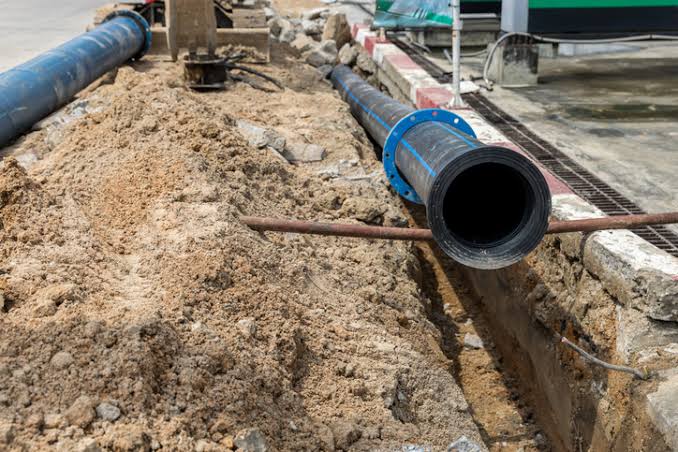
Underground pipes can deteriorate due to age, shifting soil, corrosion, tree root intrusion, or repeated pressure from heavy traffic and construction. Traditionally, replacing a damaged pipe often required digging long trenches across lawns, driveways, gardens, or paved areas. That process could be expensive and leave behind a considerable mess.
Today, trenchless pipe replacement provides an alternative for many underground plumbing problems. Instead of excavating the entire length of a damaged pipe, technicians may use existing access points to repair or replace the line with limited digging. Depending on the condition of the pipe and the property, methods such as pipe lining or pipe bursting may be considered.
Pipe lining involves inserting a resin-coated material into the existing pipe and curing it to create a new interior surface. Pipe bursting, on the other hand, breaks apart the old pipe while pulling a new one into place. The right method depends on factors such as pipe size, soil conditions, access, damage level, and local regulations.
Trenchless work can reduce landscape disruption, shorten project timelines, and limit restoration costs. It isn’t suitable for every situation, but when conditions allow, it can be a practical and efficient option.
Improving Water Quality with Filtration and Softeners
Water may look clean and still contain minerals, sediment, chlorine, or other substances that affect taste, smell, and household use. In areas with hard water, minerals such as calcium and magnesium can leave scale on faucets, showerheads, dishes, and appliances. Over time, this buildup may reduce efficiency and shorten the life of water-using equipment.
Professional water filtration & softeners can address different water concerns depending on the quality of the incoming supply. Filtration systems may reduce sediment, unpleasant odors, chlorine, and certain contaminants. Water softeners are designed primarily to reduce hardness minerals, helping prevent scale and making soaps and detergents work more effectively.
It’s important to understand that filtration and softening are not the same thing. A softener is not designed to remove every possible contaminant, and a basic filter may not solve hard water problems. The best system should be selected after testing the water and identifying the specific issues affecting the property.
A water treatment professional can recommend options such as whole-house filters, carbon filtration, reverse osmosis systems for drinking water, or salt-based and alternative softening technologies. The goal should be cleaner, more pleasant water without investing in equipment that doesn’t match the household’s needs.
Understanding Gas Line Services and Safety
Gas-powered appliances can be efficient and convenient, but gas lines require careful handling. A damaged, poorly installed, or improperly connected gas line can create serious safety risks. Homeowners should never attempt to modify gas piping or investigate a suspected leak using open flames or electrical tools.
Professional gas line services may include installation, repair, inspection, leak detection, appliance connections, and gas line replacement. Qualified technicians use appropriate testing procedures and follow applicable safety codes when working with natural gas or propane systems.
Possible signs of a gas line problem include the smell of rotten eggs, hissing sounds near a pipe or appliance, dead vegetation near an underground line, or appliances that do not operate normally. If a gas leak is suspected, leave the area immediately, avoid operating switches or creating sparks, and contact the local gas utility or emergency service from a safe location.
Routine inspections are especially important when installing a new gas appliance, remodeling a kitchen, purchasing an older property, or noticing changes in appliance performance. Professional work helps ensure that connections are secure, ventilation is appropriate, and the system is operating as intended.
Choosing Between Repair and Replacement
One of the most difficult decisions for homeowners is knowing whether a plumbing component should be repaired or replaced. The cheapest immediate option is not always the most economical long-term choice.
A repair may make sense when the damage is limited, the equipment is relatively new, and replacement parts are readily available. Replacement may be more practical when a system is old, repeatedly failing, severely corroded, or no longer efficient.
For underground pipes, a camera inspection and pressure test may provide useful information before excavation or replacement begins. For water treatment equipment, testing can reveal whether a filter needs servicing or whether the system is no longer suitable for current water conditions. With gas lines, safety should always take priority over short-term savings.
A reputable plumber should explain the available options, expected lifespan, estimated costs, and potential risks. Homeowners should feel comfortable asking questions before approving the work.
What to Look for in a Plumbing Professional
Experience is important, but it isn’t the only factor to consider when hiring a plumbing company. Look for proper licensing, insurance, transparent estimates, clear communication, and a history of completing similar projects.
For specialized work, ask whether the company has experience with trenchless technology, water treatment systems, or gas piping. These services often require equipment and knowledge beyond ordinary faucet or drain repairs.
It’s also worth asking about warranties, maintenance recommendations, emergency availability, and cleanup procedures. A professional company should respect your property, explain the work in plain language, and avoid pressuring you into unnecessary upgrades.
Online reviews can provide useful context, but they should be considered alongside direct communication and written estimates. A low price may be attractive, yet quality workmanship and safe practices matter much more when the project involves underground pipes or gas systems.
A Smarter Approach to Home Plumbing
A dependable plumbing system is built through a combination of good installation, regular maintenance, timely repairs, and informed decisions. Homeowners don’t need to understand every technical detail, but they should pay attention to warning signs and avoid ignoring problems simply because they are inconvenient.
Modern solutions such as trenchless pipe methods, customized water treatment, and professional gas line inspections can improve safety while reducing unnecessary disruption. The right service depends on the property, the condition of the existing system, and the problem being addressed.
In the end, good plumbing work is about more than fixing what is broken. It is about protecting the home, preserving comfort, and preventing avoidable trouble. With the help of qualified professionals and a little attention to maintenance, homeowners can keep their plumbing systems working reliably for years to come.