Water is part of nearly everything we do. We use it to make morning tea, wash vegetables, take showers, clean floors, and keep businesses running. Because it’s such an ordinary part of daily life, it’s easy to assume that clear water is automatically safe, clean, and suitable for every purpose. Unfortunately, that isn’t always the case.
Water quality can vary considerably depending on its source, local infrastructure, plumbing condition, and the treatment it receives before reaching a property. Sometimes the problem is obvious, such as a metallic taste or stubborn white deposits around a faucet. Other times, there’s little to notice without proper testing.
Understanding your water is the first step towards making sensible improvements. And whether you’re responsible for a family home, an office, or a commercial property, the right approach can help protect plumbing, improve everyday comfort, and reduce avoidable maintenance costs.
Every Property Has Different Water Needs
There isn’t one water treatment solution that works equally well for every building. A home supplied by municipal water may have different concerns from a property that relies on a private borewell. Likewise, a restaurant, hotel, or manufacturing facility may need to manage water quality more carefully because its equipment and daily operations depend on a consistent supply.
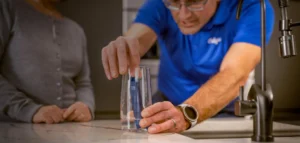
This is where residential & commercial water treatment services can make a meaningful difference. Rather than recommending equipment based on assumptions, a good service provider begins by understanding the property’s water source, usage patterns, and specific concerns.
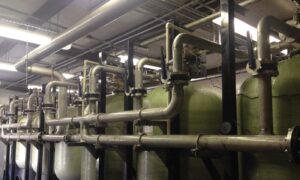
For a household, the priority might be reducing hardness that leaves marks on bathroom fixtures or affects the feel of freshly washed clothes. A café may need suitable water for coffee preparation, ice machines, and cleaning. In an industrial setting, mineral deposits can interfere with equipment performance and increase maintenance requirements.
These are very different situations, and treating them as though they’re identical can lead to wasted money. The goal isn’t to install the biggest or most complicated system available. It’s to find a practical solution that addresses the actual problem.
Why Testing Should Come Before Treatment
When water tastes unusual or leaves stains, it’s tempting to buy a filter immediately. That might help, but it could also leave the underlying issue unresolved.
For example, white deposits around taps often point towards hardness minerals, while a metallic taste may have several possible causes, including plumbing materials or dissolved metals. Neither appearance nor taste provides enough information to identify every potential contaminant.
A process of comprehensive water testing helps establish a clearer picture of what’s present in the supply. Depending on the source and the reason for testing, this may include measurements of pH, hardness, total dissolved solids, and specific contaminants such as nitrate, fluoride, iron, or certain metals. Microbiological testing may also be appropriate, particularly for private wells or other supplies with possible contamination risks.
The right testing panel depends on local conditions and the intended use of the water. Not every property needs every possible test, but choosing tests based on known risks is much more useful than relying on a generic result.
It’s also important to understand what test results actually mean. A low total dissolved solids reading, for instance, doesn’t automatically prove that water is free from harmful substances. Similarly, water that looks and tastes perfectly normal may still require testing for particular contaminants.
If results indicate a concern, use an appropriately qualified laboratory or water professional to interpret them and recommend next steps. Guesswork is rarely a good foundation for water safety.
Finding the Right Filtration Method
Once the problem is understood, selecting suitable treatment equipment becomes much easier. Different technologies address different issues, and knowing the distinction can save considerable frustration.
Filtration is a broad term covering several methods of removing particles or unwanted substances from water. Sediment filters can capture sand, rust, and other suspended material. Activated carbon filters are commonly used to reduce chlorine taste and odor, although their effectiveness against other contaminants depends on the specific product and its certification.
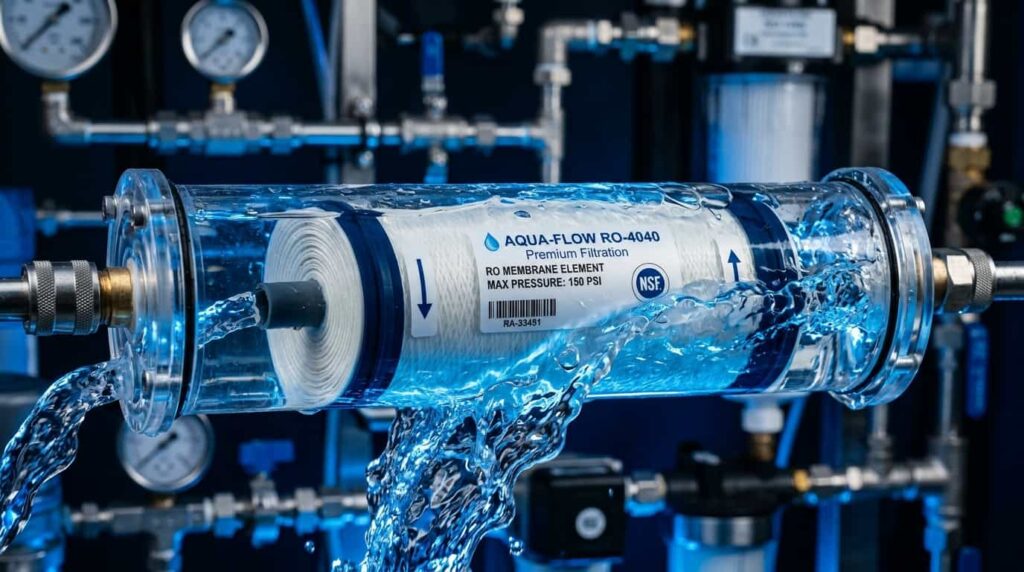
Reverse osmosis systems can reduce many dissolved substances, including certain salts and metals, when correctly designed and maintained. Water softeners, meanwhile, are primarily intended to reduce hardness caused by calcium and magnesium. They aren’t interchangeable with drinking water filters, and they don’t address every possible water quality issue.
That distinction matters. Someone dealing with hard water throughout a house may benefit from a whole-house softener, while a kitchen drinking-water concern could call for a separate point-of-use treatment system. In some properties, a combination of technologies makes sense.
Before purchasing equipment, check which contaminants the system is designed to reduce and whether independent testing supports those claims. Certification to a relevant standard can provide useful evidence, but it should match the particular contaminant and treatment claim you’re concerned about.
Don’t Forget the Plumbing and Equipment
Water quality isn’t determined solely by what enters a building. The condition of the plumbing, storage tanks, and treatment equipment can also influence what comes out of the tap.
In properties with storage tanks, regular inspection and appropriate cleaning are important parts of maintaining water hygiene. Damaged covers, neglected maintenance, and poorly managed plumbing can create opportunities for contamination. Older pipes and fittings may also contribute to certain water quality problems.
Treatment equipment needs attention, too. Filters have a limited service life, and leaving them unchanged beyond the manufacturer’s recommended interval can affect performance. Some systems also require periodic sanitization, pressure checks, or replacement of particular components.
A sensible maintenance schedule should reflect the equipment type, the quality of the incoming water, and how heavily the system is used. A busy commercial kitchen may need more frequent servicing than a small household. Keeping records of filter changes, repairs, and test results makes it easier to spot patterns before they become expensive problems.
And if water suddenly changes in color, smell, or taste, don’t simply assume the filter needs replacing. The cause could be elsewhere in the supply or plumbing system. Investigate the change and seek professional advice when appropriate.
Making Water Quality a Long-Term Priority
Improving water quality isn’t necessarily a one-time purchase. It’s an ongoing process of understanding the supply, choosing suitable treatment, and checking that everything continues to work as intended.
For homeowners, that may mean arranging periodic testing, maintaining a drinking-water filter, or addressing hardness before mineral buildup damages fixtures. For businesses, it can involve documented service schedules, routine water checks, and a plan for responding to unexpected changes.
It’s worth asking a provider a few straightforward questions before committing to a system. What problem will the equipment solve? What evidence supports the recommendation? How often will maintenance be needed? And what will it cost to operate over several years?
These questions may not sound exciting, but they can help separate a useful investment from equipment that offers little practical benefit.
Ultimately, better water begins with informed decisions rather than assumptions. Test when necessary, choose treatment that matches the results, and maintain the equipment properly. Whether at home or in a busy workplace, that thoughtful approach can make water more dependable and help you feel confident about the system supporting your everyday routine.