You don’t always notice the quality of your water until something changes. Perhaps the water in your bathroom sink leaves rusty orange marks, the laundry comes out looking a little discolored, or there’s an unpleasant smell every time you turn on the kitchen tap. These issues can be frustrating, especially when you’re not sure what’s causing them.
In many homes, iron, sulfur compounds, and other naturally occurring substances can affect the appearance, smell, and taste of water. Sometimes the problem is relatively simple to manage. Other times, it takes proper testing and a treatment system designed for the specific issue.
The trick is to avoid guessing. Buying a filter because it promises fresher water might sound sensible, but not every system removes the same substances. Understanding what’s happening in your water supply can save money, reduce maintenance headaches, and help you choose a solution that actually works.
Why Iron Can Become a Problem in Household Water
Iron occurs naturally in soil and rocks, so groundwater can pick it up as it moves through underground formations. It’s particularly common in some private well supplies, although iron can also enter water through corrosion in plumbing.
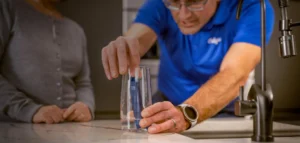
At first, the water may look completely clear when it comes out of the tap. After standing in a glass for a while, however, it can develop an orange or reddish tint as dissolved iron reacts with oxygen. In other cases, particles are already present, giving the water a rusty appearance from the start.
The effects often show up around the house. Orange stains may appear in sinks, toilets, bathtubs, and laundry. Faucets can develop stubborn deposits, while water may leave an unpleasant metallic taste. Higher iron levels can also contribute to buildup inside plumbing and create conditions that encourage iron bacteria in some systems.
Iron isn’t automatically a sign that water is dangerous, but visible staining shouldn’t be ignored. Other water quality problems can produce similar symptoms, and appearance alone can’t tell you what’s present.
A laboratory test can measure iron levels and help determine whether manganese, pH, hardness, or other factors may also need attention. That information matters because the right treatment depends on the form of iron in the water and how much is present.
Choosing a Treatment That Addresses the Real Issue
Iron removal isn’t always as simple as installing a standard drinking water filter. Dissolved iron, oxidized iron particles, and iron associated with bacteria can behave differently, so treatment needs to match the situation.
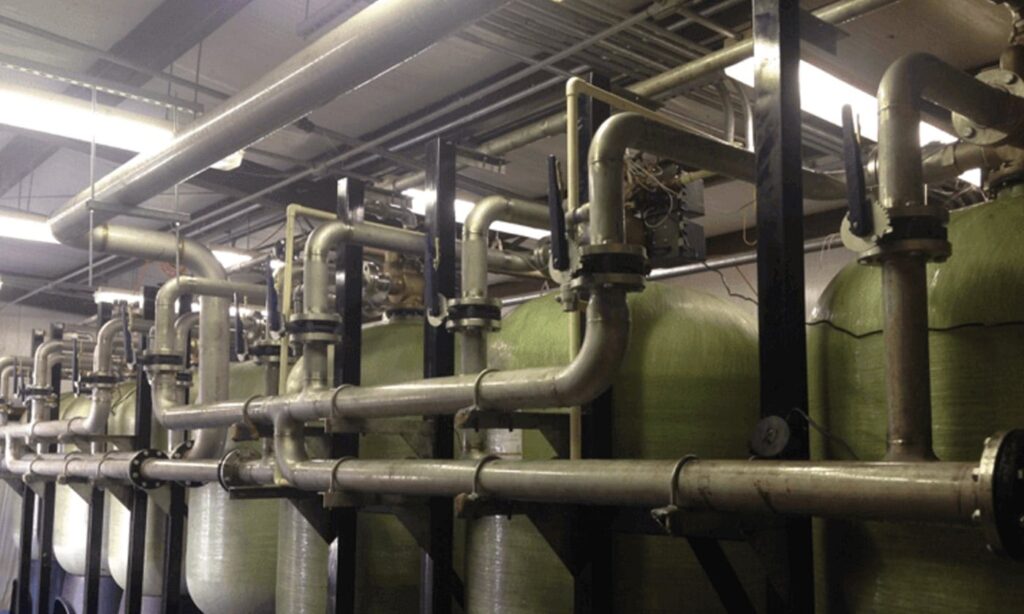
In some homes, oxidation followed by filtration works well. The process converts dissolved iron into particles that a suitable filter can capture. Other systems use specialized filter media or chemical treatment, depending on water chemistry and the level of contamination.
For households experiencing recurring orange stains or metallic tastes, iron and odor removal systems may offer a practical solution when selected for the actual water conditions. Some units are designed to manage iron and manganese alongside certain odor-causing substances, while others focus on a narrower range of problems. It’s worth checking the manufacturer’s performance specifications rather than assuming every system handles everything.
Water testing should come before the purchase whenever possible. Iron concentration, pH, hardness, and the presence of hydrogen sulfide can all influence equipment selection. A system that works beautifully in one house may perform poorly in another with different water chemistry.
Installation also deserves attention. Some treatment units need adequate space, drainage, electricity, or specific water pressure to function correctly. If the system requires backwashing, the drain must be suitable for that process.
And don’t forget maintenance. Filter media can eventually lose effectiveness, valves may need inspection, and settings sometimes require adjustment. A treatment system is a useful tool, but it isn’t a fit-and-forget solution.
Understanding Unpleasant Water Odors
A rotten-egg smell is one of the most recognizable water complaints. It’s often associated with hydrogen sulfide, a gas that can occur naturally in groundwater. In some cases, the odor develops inside a water heater because of chemical reactions involving components within the tank.
The location of the smell offers a useful starting point. If it appears only when using hot water, the heater may be involved. If both hot and cold water smell unpleasant, the source could be the incoming supply or another part of the plumbing system.
Not every odor is sulfur-related, though. A musty smell may have a different cause, while a chlorine-like scent can be associated with disinfectants used in municipal treatment. Sometimes, the sink drain itself is responsible rather than the water.
Try filling a clean glass and smelling the water away from the sink. If the odor remains, contact your water supplier or arrange suitable testing, particularly if the change is sudden or persistent.
Avoid choosing a treatment method based on smell alone. Activated carbon can reduce certain odors, but stronger or more complex problems may require oxidation, specialized filtration, or another treatment process. If the water also changes color or develops an unusual chemical smell, seek advice before relying on it for drinking.
Don’t Let Routine Maintenance Slip
Once a water treatment system is installed, it’s easy to forget about it. The equipment sits quietly in a utility room or garage, and life carries on. Months later, you may discover that the filters are overdue for replacement or the system hasn’t been operating as intended.
A little organization can prevent that scenario. Keep a record of installation dates, filter changes, service appointments, and water test results. Set reminders based on the manufacturer’s schedule, and watch for changes in water pressure, staining, odor, or overall performance.
If something seems wrong, don’t wait until the problem becomes expensive. Contact the installer or service provider to explain what you’ve noticed and ask whether an inspection is appropriate. When you request service, provide details such as the type of equipment, the symptoms, and when the issue first appeared. That information can help the technician prepare and avoid unnecessary visits.
Routine service may include checking valves, reviewing settings, inspecting connections, and confirming that the equipment is operating within its intended range. The exact work depends on the system. Some units need frequent attention, while others require only occasional checks and scheduled component changes.
Keeping a Water Softener Supplied and Working
If your home also uses a salt-based water softener, remember that it has its own maintenance needs. These systems use salt during the regeneration process to restore the resin’s ability to remove hardness minerals.
Check the brine tank periodically and follow the manufacturer’s recommendations for salt type and fill level. Running low on salt can affect softening performance, although the frequency of replenishment varies with household water use and hardness.
A salt delivery service can be convenient for households that use substantial amounts of salt or simply don’t want to carry heavy bags home. Scheduled deliveries help keep supplies available, particularly when storage space is limited or local retailers are inconvenient to reach.
Even so, delivery doesn’t replace equipment checks. Look for unusual buildup in the tank, pay attention to changes in water hardness, and have persistent problems investigated rather than repeatedly adding salt and hoping for the best.
Better Water Begins With Knowing What You’re Treating
Water problems can be annoying, but they don’t have to become an ongoing source of stress. Rust-colored stains, unpleasant odors, and mineral buildup often have identifiable causes, and the right treatment can make everyday life considerably easier.
Start with testing when the cause isn’t clear. Choose equipment based on its verified capabilities, make sure it’s installed correctly, and keep up with the maintenance it requires. If water quality changes suddenly, take the change seriously instead of assuming the treatment system will handle it automatically.
Good water management isn’t about buying the biggest filter or the most complicated equipment. It’s about understanding your supply, addressing the actual problem, and giving your system enough attention to keep doing its job. That approach is practical, economical, and far more reassuring in the long run.