It’s funny how something as ordinary as tap water can become a source of frustration. One day, you’re enjoying your morning coffee without a second thought. A few weeks later, you’re wondering why the kettle has developed a chalky coating or why the kitchen tap smells slightly unusual.
Water quality problems are more familiar than many homeowners realise. The difficulty isn’t always recognising that something has changed; it’s figuring out what to do about it.
With so many treatment products available, making the right choice can feel unnecessarily complicated. Fortunately, a basic understanding of water quality and treatment methods can help you make decisions that genuinely benefit your household.
Understanding What Your Water Is Trying to Tell You
Water can provide subtle clues about its composition. Reddish stains around bathroom fixtures may indicate iron, while white mineral deposits are frequently associated with hard water. An unpleasant chlorine taste might be related to municipal water treatment.
Having common water quality concerns explained in straightforward language helps homeowners understand why these problems occur instead of simply dealing with their visible effects.
However, appearances can occasionally be misleading. Cloudy water, for example, may contain harmless air bubbles rather than suspended contaminants.
And perfectly clear water? That doesn’t automatically mean it’s free from unwanted substances.
If you notice persistent changes in taste, smell, or appearance, arranging appropriate water testing is a sensible next step. Understanding the cause makes finding an effective solution considerably easier.
Choosing Water Treatment Without the Confusion
Walk into a home improvement store or browse online, and you’ll find countless filtration products promising cleaner, better-tasting water. The trouble is that these systems don’t all perform the same job.
Reliable water treatment system guidance can help homeowners narrow down their choices based on actual water conditions, household consumption, and practical requirements.
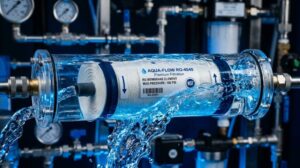
A sediment filter captures suspended particles, while activated carbon filtration can reduce chlorine and certain unpleasant tastes. Conventional water softeners address excessive hardness, and reverse osmosis systems can reduce various dissolved contaminants.
Each technology has its strengths and limitations.
Someone living in a small apartment might benefit from a compact drinking water filter. A family living on a rural property with well water could require several treatment stages.
There’s no universal answer, and there’s certainly no need to purchase equipment that doesn’t address an identified concern.
Is Hard Water Something You Should Worry About?
Hard water contains relatively high concentrations of calcium and magnesium. Although these naturally occurring minerals aren’t generally considered a health hazard, they can make everyday household tasks more demanding.
Think about stubborn shower stains, cloudy drinking glasses, or towels that feel rough even after washing.
Mineral deposits may also accumulate inside water heaters and appliances, potentially affecting their efficiency over time.
Installing a suitable water softener can help reduce many of these inconveniences. However, softening doesn’t necessarily address other water quality concerns, such as microbial contamination or unpleasant chlorine tastes.
A hardness test can help determine whether softening would be a worthwhile investment for your home.
Why Asking the Right Questions Makes a Difference
When researching water treatment, it’s perfectly normal to have questions. Does filtered water still contain minerals? How frequently should cartridges be changed? Is whole-house treatment really necessary?
Exploring trustworthy water treatment advice and FAQs can help separate useful information from exaggerated marketing claims. It also gives homeowners a better understanding of what to expect before committing to an installation.
One particularly important question involves product certification. Rather than assuming a filter removes every contaminant, check whether its performance has been independently verified for the substances you’re concerned about.
Maintenance costs deserve attention, too. Equipment that looks affordable initially might require expensive replacement components.
Taking the time to ask these questions can prevent unnecessary expenses and disappointment later.
The Importance of Testing Before Making Changes
Water testing doesn’t always receive the attention it deserves. Many people purchase treatment equipment based entirely on recommendations from friends, advertisements, or assumptions about their local water supply.
But water conditions differ, sometimes considerably, between properties.
Professional testing can reveal relevant information about hardness, pH, mineral content, and specific contaminants.
For households relying on private wells, periodic laboratory testing is particularly important. Environmental changes may influence groundwater quality without producing noticeable warning signs.
Testing gives you something more dependable than guesswork. It can also help establish whether existing treatment equipment is performing as intended.
Keeping Your Treatment Equipment Working Properly
A good filtration system might seem like something you can install and forget about. Unfortunately, that’s not quite how it works.
Filter cartridges gradually reach their capacity, reverse osmosis membranes can lose efficiency, and traditional water softeners require periodic maintenance.
Following the manufacturer’s servicing recommendations helps maintain reliable performance. Recording replacement dates or setting a reminder on your phone can make these small responsibilities easier to manage.
Pay attention to unexpected changes in water pressure, taste, or appearance as well.
It’s far more convenient to replace a cartridge during routine maintenance than discover a filtration problem when you’ve got guests arriving for dinner.
Better Water Begins With Informed Decisions
Improving your household water supply doesn’t have to involve complicated technology or a substantial financial commitment.
Start with understanding your water source, identifying genuine problems, and exploring treatment methods suited to your needs.
Perhaps you want better-tasting drinking water, fewer mineral stains, or greater protection for your household appliances. These are perfectly reasonable goals.
Water is woven into the ordinary moments that make up our lives. Looking after its quality is a practical investment in everyday comfort, and sometimes, the smallest improvements make the biggest difference.