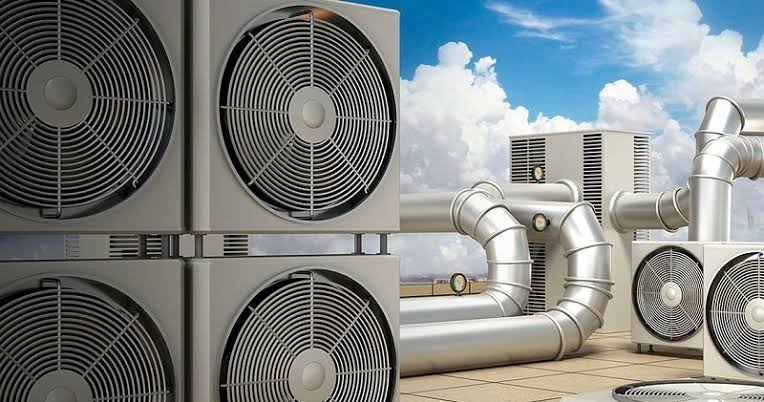
It’s easy to take home comfort for granted. On most days, your heating and cooling system quietly does its job without asking for much attention. You set the thermostat, go about your routine, and expect every room to feel just right. It’s only when something changes—a warm house in the middle of summer or a furnace that struggles on a cold morning—that you realize how important that unseen system really is.
For many homeowners, deciding whether to repair or replace HVAC equipment isn’t always straightforward. Repairs can seem like the less expensive option at first, but there comes a point when an older system simply can’t deliver the comfort, efficiency, or reliability it once did. Understanding that tipping point helps you make a decision that benefits your home for years instead of just another season.
Every HVAC System Has a Lifespan
No mechanical system lasts forever. Even well-maintained heating and cooling equipment gradually loses efficiency as components age.
A unit that once cooled your home quickly may now run almost constantly. Your furnace might cycle more often than it used to, or certain rooms never seem to reach the desired temperature. Sometimes the warning signs are subtle—higher utility bills, unusual sounds, or reduced airflow. Other times they’re impossible to ignore, especially when breakdowns become frequent.
These changes aren’t necessarily signs of neglect. They’re often just part of the natural aging process of HVAC equipment.
Comfort and Efficiency Go Hand in Hand
Many homeowners assume comfort simply means cooler summers and warmer winters. In reality, true comfort is much broader.
A balanced HVAC system regulates humidity, distributes air evenly, and maintains consistent temperatures without constantly switching on and off. Modern high efficiency equipment is designed to achieve all of this while using considerably less energy than older systems.
Instead of operating at full capacity every minute, many newer units automatically adjust their output based on your home’s changing needs. That smarter operation creates a more comfortable indoor environment while reducing unnecessary energy consumption.
It’s one of those upgrades that you notice every single day, even if you don’t think about the technology behind it.
Knowing When Repairs No Longer Make Sense
It’s perfectly reasonable to repair an HVAC system occasionally. Replacing a small component is often far less expensive than purchasing entirely new equipment.
The challenge comes when repairs become routine.
If you’ve called for service several times within a year, or major components continue failing one after another, repair costs begin adding up quickly. More importantly, each repair still leaves you with an aging system that may continue developing new issues.
At that stage, replacement often becomes the more practical financial decision.
Rather than investing repeatedly in outdated equipment, homeowners gain improved comfort, lower operating costs, and greater reliability with a modern system.
Choosing the Right HVAC Team Matters
The quality of installation has just as much influence on system performance as the equipment itself.
An oversized system cycles too frequently and wastes energy. An undersized unit struggles to maintain comfortable temperatures while operating under constant stress. Proper sizing requires careful evaluation of the home’s square footage, insulation, windows, ductwork, and airflow requirements.
That’s why working with trusted hvac experts is so important. Experienced professionals look beyond the equipment itself and evaluate how the entire home functions before recommending the best solution.
That thoughtful approach helps ensure your investment performs the way it should from the very beginning.
Better Indoor Air Is an Added Benefit
Heating and cooling systems do more than control temperature. They also move air throughout the home every single day.
Newer HVAC systems often include improved filtration technology that captures dust, pollen, pet dander, and other airborne particles more effectively than older equipment. Combined with balanced humidity control, these features contribute to healthier indoor air and a more pleasant living environment.
For families with allergies or respiratory sensitivities, those improvements can make everyday life noticeably more comfortable.
Sometimes the greatest benefits of a new HVAC system aren’t immediately visible—they’re simply felt over time.
Lower Energy Bills Add Long-Term Value
One of the most appealing aspects of replacing older equipment is the opportunity to reduce monthly utility costs.
Energy prices continue changing, making efficiency more valuable than ever. Modern HVAC technology uses advanced compressors, variable-speed blowers, and intelligent controls to deliver consistent comfort without excessive energy use.
While the initial investment may seem significant, many homeowners discover that lower operating expenses gradually offset a portion of the replacement cost over the system’s lifetime.
Combined with fewer repair bills, those savings become even more meaningful.
Maintenance Still Makes a Difference
Even the most advanced HVAC system benefits from regular care.
Changing air filters, scheduling annual inspections, cleaning outdoor units, and checking refrigerant levels all help maintain peak performance. Preventive maintenance reduces unnecessary wear while allowing technicians to identify minor issues before they become expensive repairs.
A little attention each year often translates into many additional years of dependable operation.
That’s one reason homeowners who maintain their systems consistently tend to experience fewer unexpected breakdowns.
Looking Beyond Emergency Replacements
Many HVAC replacements happen only after complete equipment failure. While emergencies sometimes can’t be avoided, planning ahead usually provides more flexibility.
Replacing equipment before it fails completely allows homeowners to compare options carefully, schedule installation conveniently, and choose the system that truly fits their needs rather than settling for the quickest available solution.
Professional replacement services also provide the opportunity to evaluate ductwork, airflow, thermostat compatibility, and other factors that influence long-term performance.
Approaching replacement proactively often leads to better outcomes than making rushed decisions during extreme weather.
Investing in Everyday Comfort
A home should be a place where comfort feels effortless. You shouldn’t have to constantly adjust the thermostat, worry about strange noises, or wonder whether your system will survive another season.
Replacing aging HVAC equipment isn’t simply about buying a newer machine. It’s about improving the experience of living in your home every day. Better airflow, quieter operation, cleaner indoor air, improved efficiency, and dependable performance all contribute to a higher quality of life.
When homeowners choose experienced professionals, invest in quality equipment, and maintain it properly, they gain far more than reliable heating and cooling. They create a home that’s ready for changing seasons, growing families, and years of dependable comfort.
Sometimes the smartest home improvements aren’t the ones everyone notices immediately. They’re the ones quietly working in the background, making everyday life easier, more comfortable, and just a little more enjoyable with every passing season.