
Water is easy to take for granted. In a commercial building, though, it quietly supports almost everything — from kitchens and bathrooms to ice machines, boilers, laundry systems, and production equipment. When water quality becomes a problem, the effects can spread across the property before anyone realizes what’s happening.
A small amount of sediment might clog a component. Hard water can leave scale behind. Certain substances may affect taste or odor. Over time, these seemingly minor issues can turn into more frequent maintenance, equipment downtime, and unnecessary expenses.
For businesses that use large quantities of water every day, filtration isn’t simply about having “clean” water. It’s about choosing a practical system that can handle demand while supporting the property’s wider operations.
Why Commercial Water Filtration Requires More Planning
Residential filtration and commercial filtration aren’t always interchangeable. A family home might use water at relatively predictable levels, while a restaurant, hotel, hospital, or manufacturing facility can experience significant peaks in demand.
A busy restaurant, for example, may have several sinks, dishwashers, coffee machines, and ice makers operating at nearly the same time. If the filtration system can’t handle the required flow, water pressure and equipment performance can suffer.
This is why businesses should look beyond the filter itself. Flow rate, capacity, installation, maintenance, and replacement schedules all deserve attention before a system is selected.
Understanding High-Capacity Commercial Water Filtration Systems
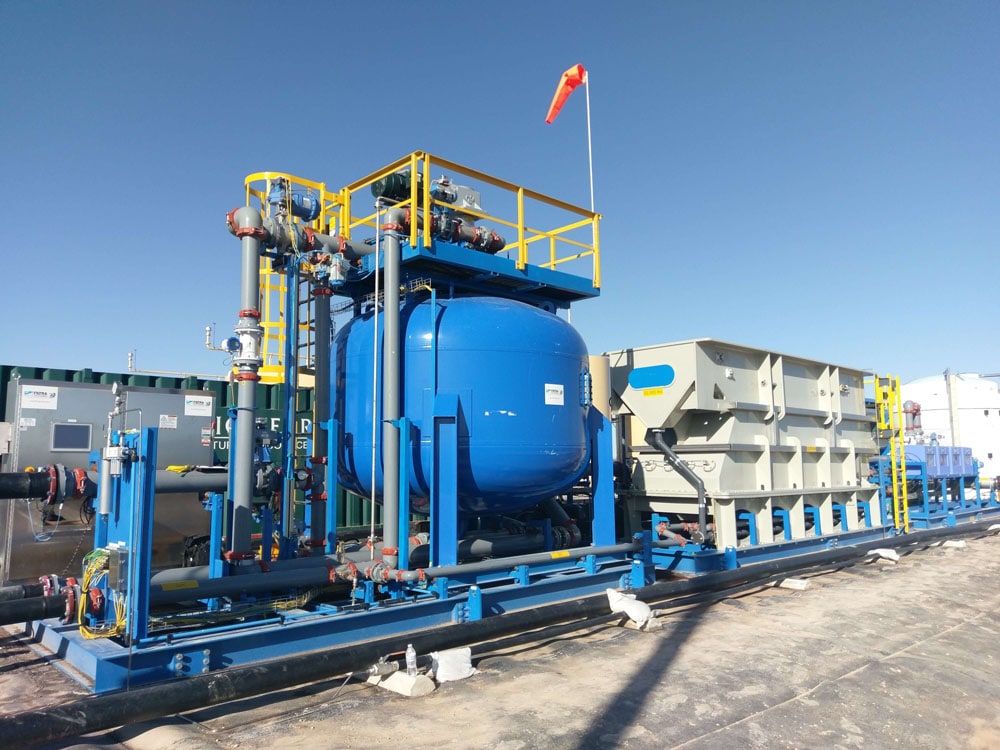
For properties with substantial water consumption, high-capacity commercial water filtration systems can provide filtration designed around larger volumes and heavier workloads.
These systems may be configured in different ways depending on the property’s water conditions. Some focus on sediment reduction, while others use carbon filtration or additional treatment stages for specific concerns.
The key word is “appropriate.” A large system isn’t automatically better just because it has a higher capacity. It needs to be properly sized for actual demand.
A facility that regularly experiences high water usage should consider both average consumption and peak periods when evaluating filtration capacity.
Why Water Testing Should Come First
One of the easiest mistakes to make is buying filtration equipment before understanding the water.
Water can contain hardness minerals, sediment, chlorine, dissolved solids, iron, or other substances depending on the source. The right treatment depends on what is actually present.
A professional water test can provide useful information about these characteristics. That information can then guide the selection of filtration technology.
For example, sediment filtration may make sense when suspended particles are the concern. Carbon filtration may be appropriate for certain taste and odor issues. A separate softening system may be considered when hardness is creating scale.
Testing first helps businesses avoid paying for treatment they don’t actually need.
Protecting Plumbing From Water-Related Problems
A commercial property’s plumbing system is constantly exposed to the incoming water. Over years of operation, water chemistry can influence pipes, valves, fixtures, and other components.
Hard water can contribute to mineral deposits. Sediment can collect in restricted areas. Certain corrosive conditions may create concerns for particular plumbing materials.
Filtration can’t prevent every plumbing problem, of course. Age, installation quality, pressure, temperature, and mechanical damage all matter too.
Still, understanding and managing water chemistry can be one useful part of a broader plumbing-maintenance strategy.
How Filtration Can Support Commercial Equipment
Commercial facilities often depend on expensive water-using equipment. Dishwashers, ice machines, coffee makers, boilers, water heaters, laundry systems, and production machinery can all be affected by water conditions.
When mineral deposits build up, equipment may require additional cleaning or servicing. Sediment can interfere with valves and filters, while certain water characteristics may affect components over time.
The right filtration setup can help address specific water-related concerns before they become bigger operational headaches.
That doesn’t mean filtration eliminates maintenance. It simply gives the equipment a better environment in which to operate.
Choosing Equipment Based on Actual Demand
When selecting a commercial filtration system, businesses should consider more than the number of people using the building.
Peak flow is particularly important. A hotel may have relatively low usage at certain hours but experience major demand in the morning. A restaurant can see sharp increases during breakfast, lunch, and dinner service.
The system should be capable of handling these periods without becoming a restriction.
Businesses should also review filter capacity and replacement intervals. A filter that needs frequent replacement may create more ongoing work than expected.
The Cost of Ownership Matters
Purchase price is only one part of the financial equation. Commercial filtration also involves installation, replacement filters, maintenance, labor, and sometimes water or energy consumption.
A cheaper system may appear attractive initially but become expensive if components need frequent replacement.
On the other hand, installing a system that is much larger or more complicated than necessary can also waste money.
The better approach is to calculate the expected long-term cost and compare it with the actual benefits the system provides.
Maintenance Keeps Filtration Working Properly
Even a high-quality filtration system needs attention. Filters eventually reach capacity, components need inspection, and valves or other parts may require servicing.
Commercial properties should keep a basic maintenance schedule. Record filter replacement dates, inspections, water-test results, and any changes in pressure, taste, odor, or equipment performance.
These records can make troubleshooting much easier.
If a business suddenly notices reduced water flow, for instance, maintenance records may quickly show whether the filter is approaching the end of its service life.
Filtration Is Part of a Bigger Water Strategy
A commercial filtration system shouldn’t operate in isolation. It works best alongside good plumbing practices, equipment maintenance, water testing, and sensible cleaning schedules.
Different parts of a property may also require different treatment. An ice machine might need specific filtration, while a boiler or process system may have completely different requirements.
Trying to force every application into one treatment approach isn’t always practical.
Good water management is more about matching solutions to individual needs.
A Practical Investment for Growing Businesses
As a business grows, water demand often grows with it. A filtration setup that worked adequately several years ago may no longer be suitable for today’s workload.
That’s why capacity should be considered with the future in mind. Businesses don’t necessarily need to buy the biggest system available, but they should understand how changing demand could affect filtration requirements.
The goal is reliability — enough capacity to support normal operations without creating unnecessary expense or complexity.
Making the Most of Commercial Water Filtration
The best commercial filtration strategy starts with a simple idea: understand the water and understand the business.
Test the incoming supply, identify genuine water-quality concerns, calculate demand, and choose equipment accordingly. Then maintain the system consistently.
For facilities that rely heavily on water, properly selected filtration can support plumbing, protect valuable equipment, and make daily operations more predictable.
It isn’t about installing the most impressive system on the market. It’s about having the right system quietly doing its job every day.
And in a busy commercial environment, that kind of reliability is worth far more than flashy features.