Why Regular HVAC Care Makes Life a Whole Lot Easier
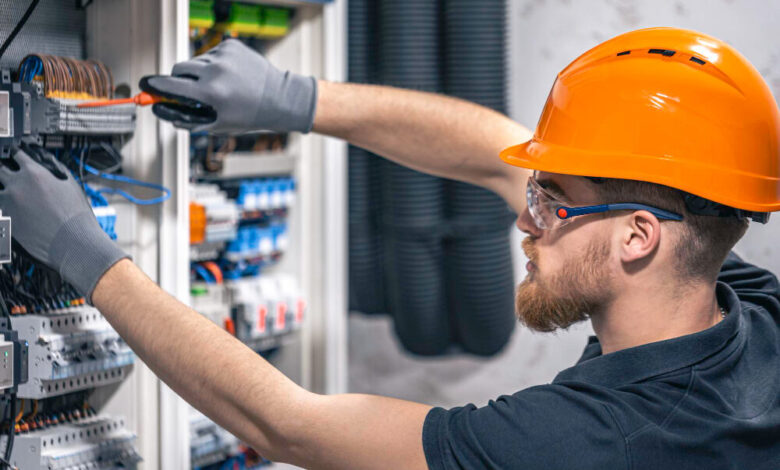
Most people don’t think about their HVAC system until something goes wrong. When the house is warm in winter and cool in summer, the equipment quietly fades into the background. That’s exactly how it should be, really.
The trouble starts when a system begins struggling. Maybe the air conditioner runs longer than usual, the furnace makes an odd sound, or certain rooms don’t feel as comfortable as they once did. These aren’t always signs of a major failure, but they are worth noticing.
Regular care can help keep heating and cooling equipment dependable, efficient, and ready for the season ahead.
A Little Maintenance Can Prevent Big Headaches
HVAC equipment works hard throughout the year. During summer, cooling systems may run for hours. In winter, heating equipment can face equally demanding conditions.
When systems are routinely serviced, technicians have an opportunity to identify worn components, restricted airflow, dirty coils, electrical concerns, drainage issues, and other developing problems.
That doesn’t mean maintenance makes a system immune to breakdowns. Nothing can promise that. But catching a small issue before it becomes a major failure is usually a much better situation.
It’s the same idea as taking your car in for an oil change instead of waiting for the engine to complain.
Maintenance Should Be Planned, Not Forgotten
One reason homeowners overlook HVAC care is simple: life gets busy.
There are bills to pay, work to finish, errands to run, and a dozen other things competing for attention. HVAC maintenance doesn’t exactly sit at the top of most people’s weekend plans.
That’s where a professional maintenance program can be useful.
Instead of remembering every inspection yourself, scheduled service creates a routine. Seasonal visits can help prepare the system before periods of heavy heating or cooling demand.
It’s less about doing something complicated and more about making sure it actually gets done.
Know What Your System Needs
Not every HVAC system has the same maintenance requirements.
A newer heat pump, an older furnace, a central air conditioner, and a ductless system all have different components and operating characteristics.
That’s why professional service should be based on the equipment itself rather than a one-size-fits-all checklist.
Understanding your system’s maintenance needs can also help you make smarter decisions. You may learn which filters to use, how often they should be changed, what warning signs to watch for, and when professional inspections are recommended.
A few minutes of knowledge can save plenty of confusion later.
Don’t Ignore Strange Sounds
Every HVAC system makes some noise. After living with it for a while, you get used to the normal hum, click, or whoosh.
A sudden grinding, banging, buzzing, rattling, or squealing sound is different.
Sometimes the cause is minor, such as a loose panel or small piece of debris. Other times, it could point toward a worn motor, blower issue, or another mechanical problem.
You don’t need to panic every time the system makes an unfamiliar noise. But if it continues or becomes louder, getting it checked is sensible.
A small problem can become expensive when ignored for too long.
Filters Are Simple but Important
One of the easiest HVAC maintenance tasks is also one of the easiest to forget: checking the air filter.
A heavily clogged filter can restrict airflow and force the system to work harder. That can affect comfort, efficiency, and overall performance.
How often you need to replace a filter depends on several factors, including the type of filter, household occupancy, pets, and the manufacturer’s recommendations.
Don’t just assume a filter is fine because the system still works. Take a look at it occasionally. If it’s visibly dirty, deal with it.
Your Ductwork Can Affect Performance
If one room feels perfect while another remains too hot or too cold, the HVAC equipment isn’t necessarily the problem.
Ductwork can develop leaks, poor connections, insulation problems, and airflow restrictions. Conditioned air may escape before it reaches the rooms that need it.
This is particularly frustrating because the HVAC system may run longer without actually solving the comfort problem.
Before replacing expensive equipment, it’s worth finding out whether the duct system is contributing to the issue. Sometimes improving airflow can make a surprisingly noticeable difference.
Energy Bills Can Tell You Something
Energy bills naturally increase during extreme weather. That’s normal.
However, an unexplained increase can sometimes indicate that the HVAC system isn’t operating as efficiently as it once did.
Dirty components, restricted airflow, aging equipment, poor insulation, and duct leaks can all contribute to higher energy use.
Don’t automatically assume that a high bill means you need a brand-new system. A professional evaluation can help determine whether maintenance, repair, or replacement makes the most sense.
Maintenance Doesn’t Mean You Won’t Need Repairs
It’s important to have realistic expectations.
Even a well-maintained HVAC system can experience a component failure. Motors wear out. Electrical parts can fail. Thermostats can malfunction. Equipment eventually ages.
The value of maintenance is that it can reduce avoidable problems and help identify concerns earlier.
Think of it as risk management rather than a guarantee.
You’re giving your heating and cooling system a better chance to perform reliably when you need it most.
Seasonal Preparation Is Worth the Effort
The best time to discover an HVAC problem isn’t during the first major heatwave or freezing night of the year.
Preparing before peak season gives you more flexibility. A technician can inspect the equipment, identify concerns, and recommend repairs while the system isn’t under constant demand.
It also gives you time to plan if replacement is eventually necessary.
Nobody wants to make a major HVAC purchase while sitting in a house that’s 90 degrees inside. Planning ahead makes the decision much less stressful.
Know When Replacement Makes More Sense
Eventually, every HVAC system reaches a point where continued repairs may no longer be practical.
If your equipment is older, frequently breaking down, becoming expensive to operate, and struggling to maintain comfortable temperatures, replacement may deserve serious consideration.
That doesn’t mean you should replace equipment simply because it’s old. Look at the repair history, efficiency, operating costs, expected lifespan, and overall condition.
A qualified HVAC professional can help you weigh those factors.
Good HVAC Care Is Mostly About Timing
Taking care of heating and cooling equipment isn’t about constantly worrying whether something will go wrong. It’s almost the opposite.
The goal is to create a simple routine: check filters, schedule professional inspections, pay attention to unusual changes, keep airflow clear, and address problems before they become emergencies.
None of this is particularly complicated.
But those small habits can make a meaningful difference over the life of your HVAC system. When the weather outside turns uncomfortable, you’ll be glad you spent a little time preparing beforehand.
A reliable HVAC system shouldn’t demand your attention every day. With sensible maintenance and timely repairs, it can quietly do what it’s supposed to do—keep your home comfortable while you get on with life.