Buying a water filter sounds simple enough until you start comparing products. Some promise better taste, others focus on removing sediment, and several offer multiple stages of treatment. Before long, a fairly straightforward home improvement begins to feel unnecessarily complicated.
The thing is, different water filters serve different purposes. A system that removes visible particles might do very little about unpleasant odors. Likewise, a filter that improves drinking water taste may not address mineral deposits around your bathroom fixtures.
Understanding these differences can save homeowners money, prevent unnecessary purchases, and help create a more comfortable living environment.
Start by Understanding What’s in Your Water
Water quality isn’t identical everywhere. Even homes located within the same neighborhood may experience different issues because of plumbing conditions, water sources, or aging infrastructure.
Perhaps you’ve noticed tiny brown particles collecting around your kitchen faucet. Or maybe your tap water has a swimming pool-like smell that becomes particularly noticeable when filling the bathtub.
These concerns have different causes and require different treatment methods.
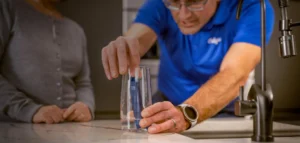
Before spending money on filtration equipment, consider having your water professionally tested. Knowing what you’re dealing with makes the entire selection process easier. It also helps separate genuine water quality concerns from problems that don’t necessarily require expensive treatment.
Removing Unwanted Tastes and Odors With Carbon Filters
Nobody particularly enjoys drinking water with a strong chlorine aftertaste. Even a carefully brewed cup of coffee can lose some of its appeal when the water doesn’t taste quite right.
One widely used treatment method is activated carbon filtration, which uses a highly porous material to adsorb certain unwanted substances from water.
Carbon filters are particularly useful for reducing chlorine and improving certain taste and odor problems. Depending on their design and certification, they may also reduce specific organic contaminants.
You’ll find carbon filters in everything from small drinking water pitchers to large centralized treatment units.
However, carbon has its limitations. It doesn’t ordinarily remove hardness minerals or all dissolved contaminants. Understanding what a filter cannot do is just as important as knowing what it can.
Keeping Dirt, Rust, and Other Particles Out of Your Plumbing
Visible particles in tap water can be unsettling. Nobody wants to discover tiny bits of debris floating in a freshly poured glass.
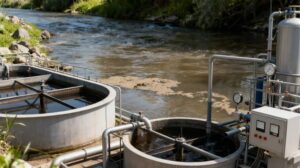
Sediment may enter a water supply through aging pipes, private wells, or disturbances within distribution infrastructure.
Installing equipment designed for sediment & particulate filtration helps capture suspended materials such as sand, silt, and rust before they travel farther through household plumbing.
These filters come with different micron ratings, which relate to the size of particles they are designed to capture. Choosing an unnecessarily fine filter, however, may restrict water flow or require more frequent replacement.
Sediment removal can also help protect downstream treatment equipment from excessive particle accumulation. It’s often the first stage in a multistage filtration arrangement, and for good reason.
Why Combining Filtration Methods Often Makes Sense
Sometimes, homeowners are dealing with more than one water quality concern. Their water might contain visible sediment and have an unpleasant odor at the same time.
A single filtration technology may not adequately address both problems.
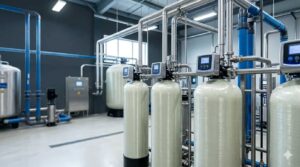
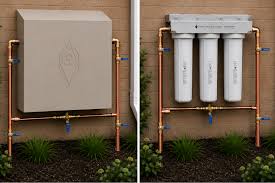
When exploring whole-home filtration options, consider systems that incorporate multiple treatment stages based on your actual water conditions.
For instance, a sediment filter can capture suspended particles before water reaches a carbon filter designed to address chlorine-related taste and odor concerns.
Additional equipment, such as a water softener, may be appropriate when excessive hardness is also present.
The key is choosing a combination that serves a clear purpose rather than installing extra equipment simply because it sounds impressive.
The Little Differences You’ll Notice Around the House
Water filtration isn’t the kind of home improvement that necessarily catches a visitor’s attention. Its benefits tend to show up through ordinary activities.
You might enjoy better-tasting homemade lemonade or notice less debris collecting around your faucet aerators. If chlorine odor has been an issue, showering may become a more pleasant experience.
Appropriate sediment removal may also reduce particle accumulation in certain plumbing components.
These aren’t life-changing events, admittedly. But when something makes your everyday routine a little more enjoyable, it’s worth appreciating.
Choosing Equipment Without Compromising Water Pressure
One practical concern that occasionally gets overlooked is water flow.
A filtration system needs to accommodate your household’s daily consumption, particularly during busy periods. Morning showers, laundry, and kitchen activities can place simultaneous demands on the water supply.
Equipment that’s poorly sized or excessively restrictive may affect water pressure.
Before installation, discuss flow capacity, plumbing compatibility, and filter replacement requirements with an experienced professional.
Consider the ongoing expenses too. Affordable equipment isn’t necessarily economical if replacement cartridges are expensive or difficult to obtain.
Regular Maintenance Keeps Filtration Effective
Filters don’t last forever. Sediment cartridges gradually collect debris, while carbon media eventually reaches its treatment capacity.
Following the manufacturer’s replacement schedule helps maintain reliable performance. Unexpected changes in taste, odor, or water pressure may also indicate that servicing is needed.
Keep in mind that an exhausted filter might not provide obvious warning signs. Waiting until the water looks or smells different isn’t always a reliable maintenance strategy.
Better Water Begins With an Informed Choice
Improving household water quality doesn’t require purchasing every filtration technology available. Often, a carefully selected combination of straightforward treatments is enough to address specific concerns.
Start with water testing, understand the purpose of each filtration method, and choose equipment that suits your property.
A good filtration system should fit naturally into your life, quietly doing its job without creating unnecessary complications. That’s what makes better water such a worthwhile household investment.