Water quality probably isn’t what gets you out of bed in the morning as a business owner. You’re more concerned about keeping customers happy, managing expenses, and making sure everything runs smoothly. Yet water quietly influences many of those priorities. When mineral deposits accumulate inside expensive equipment or suspended particles interfere with production, the consequences can become difficult to ignore.
For businesses in Aledo, Texas, selecting appropriate water treatment equipment is about more than improving water quality. It’s about protecting valuable investments and creating dependable working conditions.
From restaurants and hotels to manufacturing facilities, different businesses require different treatment approaches. Understanding the available technologies makes it easier to choose equipment that delivers meaningful, long-term value.
Managing Hard Water in Demanding Commercial Environments
Hard water can be particularly troublesome in facilities where equipment operates for several hours each day. Calcium and magnesium deposits may gradually accumulate inside water heaters, boilers, dishwashers, and other machinery.
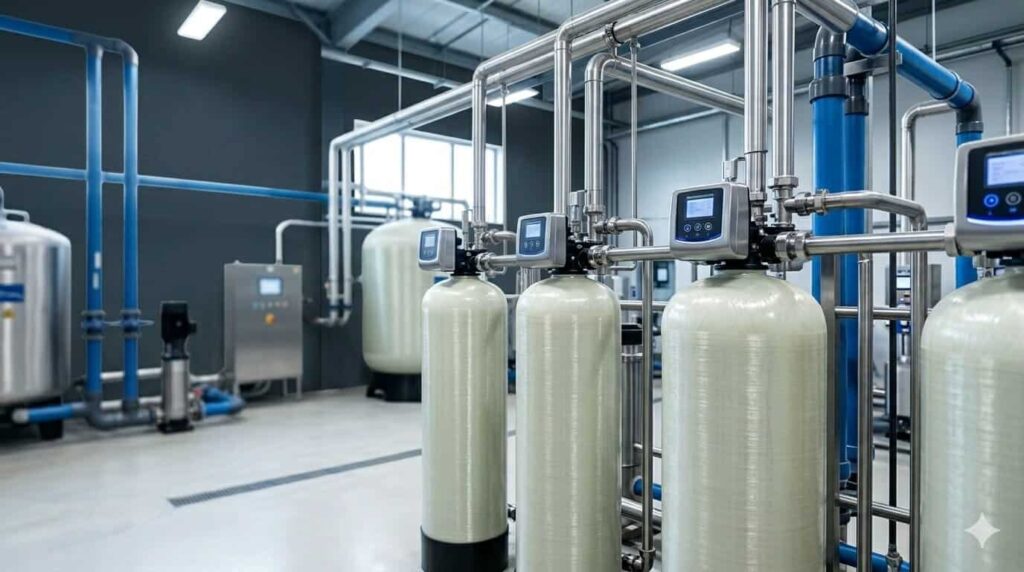
Appropriately sized commercial water softeners help reduce dissolved hardness minerals through an ion-exchange process, limiting the formation of new mineral scale.
For a commercial laundry, this may translate into improved detergent performance and more manageable fabric care. Restaurants might experience fewer new mineral deposits inside dishwashing equipment and around kitchen fixtures.
However, commercial softening requires careful planning. Equipment capacity, regeneration schedules, and peak water consumption must reflect the facility’s actual operating conditions.
Businesses requiring uninterrupted softened water may benefit from alternating tank configurations that allow treatment to continue while one tank regenerates.
Keeping Suspended Particles and Unwanted Substances Under Control
There’s nothing particularly unusual about finding sediment in an incoming water supply. Nevertheless, suspended particles can create frustrating maintenance problems when they accumulate inside sensitive equipment.
Suitable commercial water filters can help capture sediment and reduce selected unwanted substances before water reaches connected machinery, plumbing fixtures, or designated preparation areas.
Sediment filtration addresses suspended materials such as sand, silt, and rust particles. Activated carbon serves a different purpose, helping reduce chlorine and certain organic substances associated with unpleasant tastes and odors.
For cafés and restaurants, appropriate filtration may also support more consistent beverage quality.
The important distinction is that filtration equipment should be selected according to its documented capabilities. A filter designed for sediment removal won’t necessarily address dissolved minerals or other specific contaminants.
When Your Business Needs More Precise Water Treatment
Certain commercial and industrial applications require greater control over dissolved substances than conventional filtration or softening can provide.
For these facilities, commercial ro systems offer a membrane-based treatment approach that can reduce various dissolved salts, minerals, and other substances according to verified equipment capabilities.
Reverse osmosis uses pressure to move water through a semipermeable membrane, producing treated water and a concentrate stream containing rejected substances.
Manufacturing facilities may benefit from this technology when particular processes require controlled water composition. Beverage businesses might use it as part of a carefully designed treatment arrangement.
However, reverse osmosis isn’t automatically necessary for every facility. Incoming water chemistry, production requirements, and operational expenses should guide the decision.
Matching Treatment Equipment to Your Business Requirements
A busy hotel and a small coffee shop have considerably different water consumption patterns. Choosing identical equipment for both would rarely make sense.
Before investing in treatment, examine how your facility uses water throughout the day. Consider peak demand, operating hours, equipment specifications, and anticipated business growth.
Available installation space matters, too. Commercial treatment equipment requires suitable plumbing connections, maintenance access, and, in some cases, drainage or electrical arrangements.
Undersized equipment may struggle during demanding periods, while excessive capacity could increase initial expenses without delivering meaningful benefits.
A carefully planned installation should accommodate your normal operations without forcing employees to adjust their routines around equipment limitations.
Looking Beyond the Initial Purchase Price
It’s tempting to compare treatment systems based entirely on their installation costs. But what happens during the following five or ten years deserves just as much attention.
Regenerating salt, replacement cartridges, membrane servicing, electricity, and water consumption can all contribute to long-term operating expenses.
Business owners should also consider potential improvements in equipment maintenance and cleaning requirements.
Keeping records of recurring repairs, descaling expenses, and treatment-related costs can provide a useful basis for evaluating financial benefits.
Rather than relying on ambitious savings promises, measure how the system actually performs within your facility.
Sometimes, the most economical choice isn’t the cheapest equipment available. It’s the arrangement that offers dependable treatment with manageable ongoing expenses.
Making Maintenance Part of Your Operational Strategy
Even sophisticated treatment equipment needs regular attention. Filters become clogged, treatment media eventually reach their capacity, and operating settings may require adjustment as business demands change.
When consulting a provider such as Elders Water, discuss servicing schedules, replacement component availability, performance monitoring, and anticipated operating costs.
Establish clear responsibilities for routine inspections and maintenance recordkeeping. Employees should know which warning signs indicate that treatment equipment needs attention.
Appropriate testing is also essential for verifying that treated water continues to meet the requirements of its intended application.
Scheduling preventive maintenance during quieter operating periods can help minimize unnecessary business interruptions.
Better Water for a More Dependable Business
For commercial and industrial properties in Aledo, Texas, effective water treatment can be a practical investment in operational consistency.
Start by understanding your water supply, identify the conditions affecting your equipment, and select treatment technologies that address those concerns.
The benefits may appear gradually through fewer recurring mineral deposits, more consistent production conditions, and simpler maintenance routines.
Running a business is challenging enough without preventable water-related complications. Investing thoughtfully in water quality can help keep essential equipment working reliably while giving you more time to concentrate on customers, employees, and the future of your business.