Water is one of those things we expect to work perfectly without giving it much thought. Turn on the faucet, fill a glass, start the washing machine, and carry on with the day. But when water develops an unpleasant taste, leaves residue on household surfaces, or contains visible particles, that familiar routine becomes less enjoyable.
Investing in suitable home water treatment and filtration can help address these concerns while improving the overall experience of using water throughout your property.
The challenge is figuring out what your home actually needs. With so many treatment products available, it’s easy to spend money on equipment that solves the wrong problem.
A little understanding of water quality and filtration technology can make the entire decision considerably easier.
Getting to Know the Water You Use Every Day
Water quality varies depending on its source, surrounding environmental conditions, and the plumbing it travels through.
Naturally occurring minerals such as calcium and magnesium contribute to hardness. Suspended particles may include sediment or rust, while disinfectants used in municipal treatment can sometimes influence taste and odor.
These characteristics require different treatment approaches.
For instance, if your kettle develops a chalky coating every few weeks, hardness minerals may be responsible. If your drinking water has an unpleasant chlorine-like taste, a different treatment method might be more appropriate.
The important thing is to avoid making assumptions based solely on appearance.
Municipal water quality reports and appropriate laboratory testing can provide useful information about what’s present in your water.
Once you have that information, you’re in a much better position to compare treatment equipment.
Matching the Filter to the Problem
Not all water filters perform the same job. That’s something worth remembering when browsing products that promise remarkably similar results.
Effective filtration for household water quality involves selecting treatment technologies that address identified concerns rather than relying on general claims about cleaner water.
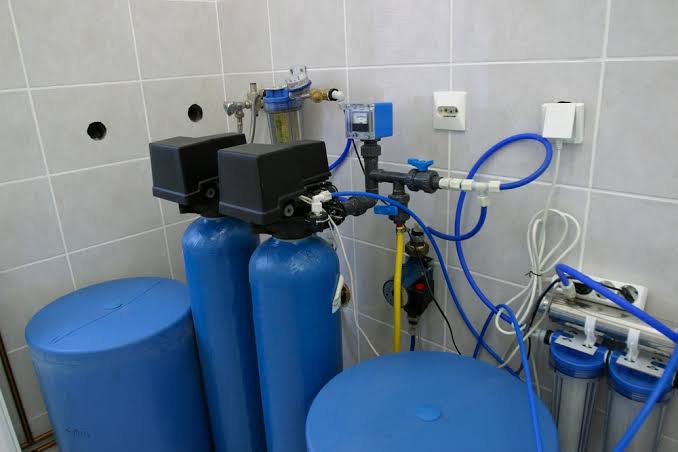
Sediment filters capture suspended particles, helping reduce visible debris. Activated carbon filters can address certain tastes, odors, and contaminants, depending on their design and verified performance.
Reverse osmosis equipment uses a specialized membrane to reduce various dissolved substances that ordinary filtration may not effectively address.
Water softeners, meanwhile, reduce hardness minerals through ion exchange.
Each technology serves a particular purpose. Combining several treatment methods may be beneficial in some homes, but others require only a straightforward filtration system.
Understanding these differences can save you from purchasing unnecessary equipment.
Deciding Whether Your Entire Home Needs Filtration
Imagine having a drinking water filter in the kitchen while continuing to experience unpleasant water odors in the bathroom. For some homeowners, treating just one faucet doesn’t quite address the bigger picture.
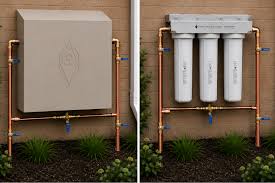
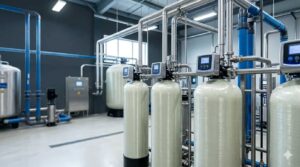
Exploring different whole-home filtration options makes sense when water quality concerns affect multiple areas of the property.
These systems are generally installed near the main water supply connection, treating incoming water before it travels through household plumbing.
Depending on the equipment selected, centralized treatment may help reduce suspended particles, certain odors, or other targeted substances throughout connected areas.
However, comprehensive treatment isn’t always necessary.
If your main priority is improving the taste of drinking water, an under-sink filtration unit might offer everything you need at a lower overall cost.
Think about where your water-related frustrations occur most frequently. That simple consideration can help guide your decision.
How Better Water Can Influence Everyday Household Routines
The advantages of suitable water treatment often become noticeable through ordinary experiences.
Perhaps your morning coffee tastes more enjoyable, or there’s less sediment collecting around faucet aerators. Appropriate hardness treatment may also make cleaning bathroom fixtures less demanding.
These improvements might sound modest, but they’re important when you experience them every day.
Having filtered drinking water conveniently available may encourage family members to refill reusable bottles rather than purchasing bottled water regularly.
Nevertheless, results vary according to incoming water conditions and equipment performance.
No filtration system should be expected to solve every possible water quality concern. Choosing equipment with realistic expectations is essential to getting genuine value from your investment.
Finding Equipment That Works With Your Existing Plumbing
Water treatment systems need to fit comfortably within your property’s plumbing arrangements.
Available installation space, water pressure, household consumption, and maintenance accessibility all deserve consideration.
A larger family home may require equipment capable of handling several fixtures operating simultaneously. Undersized equipment could restrict water flow or require more frequent servicing.
Before purchasing anything, discuss installation requirements with an experienced professional.
Ask whether additional plumbing work is necessary and how easily replacement filters can be accessed.
These practical details might not seem particularly exciting during the shopping process, but they can influence your experience with the equipment for years.
Considering the Costs Beyond Installation Day
The purchase price is only one part of owning a water treatment system.
Replacement cartridges, treatment media, electricity, and professional servicing may contribute to ongoing expenses, depending on the equipment.
It’s worth comparing these costs before choosing a particular model.
Follow manufacturer maintenance recommendations and keep track of filter replacement dates. Unexpected changes in water pressure, taste, or treatment performance deserve investigation.
Periodic testing is especially important when equipment is intended to reduce potentially harmful contaminants.
Remember that ordinary filtration shouldn’t automatically be relied upon to make unsafe source water suitable for drinking.
Better Water Begins With a Thoughtful Approach
Improving household water quality doesn’t have to involve expensive equipment or complicated maintenance routines.
Start with reliable testing, identify your priorities, and select treatment methods capable of addressing them.
The right system should complement your lifestyle rather than create another demanding household responsibility.
Water is part of nearly everything we do at home. Giving its quality a little more attention can make those ordinary moments, from preparing breakfast to enjoying an evening shower, considerably more pleasant.